
How FR-4 Fiberglass Sheets Compare to Garolite G10 in Strength and Thermal Conductivity
When it comes to industrial applications, choosing the right material for heat resistance and strength is critical. FR-4 Epoxy Fiberglass Sheets and Garolite G10 are two leading contenders in this space. In this post, I dive deep into the differences between FR-4 and Garolite G10, focusing on their strength, thermal conductivity, and overall performance. From comparing their use in fiberglass boards, g10 rods, and g10 sheets to explaining how each material holds up in high-stress environments, this guide covers it all. I’ll also explore how these materials perform in PCB manufacturing and electrical insulation, breaking down important properties like fr4 density and g10 thermal conductivity. To conclude, I’ll share a real-world case study of how custom FR-4 fiberglass parts, created through our CNC machining services, helped a client in the industrial equipment sector reduce costs and improve reliability.

Key Points Covered:
- Material Composition: Comparing FR-4 Epoxy Fiberglass Sheet and Garolite G10 in terms of structure and resilience.
- Thermal Conductivity: How each material manages heat in industrial applications.
- Strength and Durability: A look at g10 sheets, g10 fiberglass, and fr4 sheet under mechanical stress.
- Applications in Electronics: Use in PCB manufacturing, fiberglass insulation, and other electronic components.
- Customization Capabilities: Precision cutting and machining for g10 fiberglass boards and FR-4 sheets.
- Case Study: Real-world application of FR-4 custom parts in industrial equipment, showcasing our CNC machining capabilities.
Material Composition: FR-4 Epoxy Fiberglass Sheets vs. Garolite G10
When choosing materials for high-performance applications, understanding the differences between FR-4 Epoxy Fiberglass Sheets and Garolite G10 is critical. While both materials are popular in industrial and electronic uses, their distinct compositions lead to varied performance, especially in terms of mechanical strength, thermal resistance, and insulation properties. This section breaks down how these materials are made and why that matters.
Understanding the Core Materials
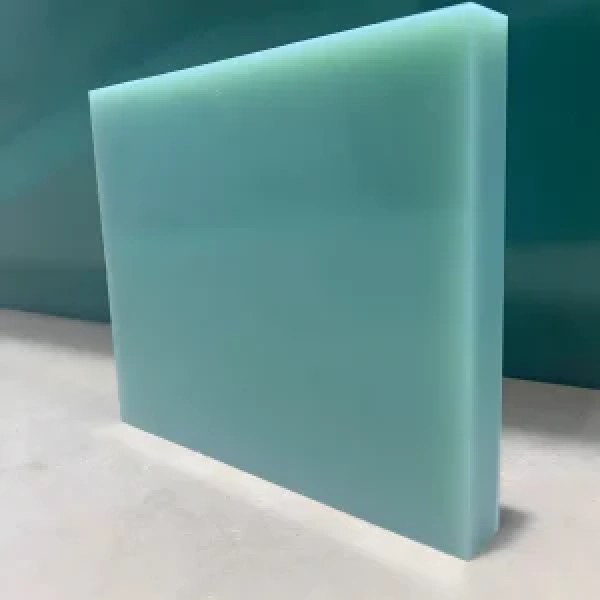
FR-4 and Garolite G10 may look similar on the surface, but they serve different purposes due to their unique compositions. FR-4 is a fiberglass-reinforced laminate that combines epoxy resin with woven fiberglass cloth, resulting in a material that offers exceptional strength, electrical insulation, and most importantly, flame resistance. These features make FR-4 the go-to material for applications that demand safety in high-temperature environments like printed circuit boards (PCBs) and other electronic systems.
In contrast, Garolite G10, though also composed of fiberglass and epoxy resin, does not include the flame-retardant additives found in FR-4. This means it’s typically used in mechanical applications where fire resistance is less of a concern. G10 fiberglass excels in environments requiring mechanical strength and durability, such as structural components in industries like marine and automotive manufacturing.
Mechanical Strength and Durability
Both FR-4 Epoxy Fiberglass Sheets and Garolite G10 are highly durable materials, but the difference in their compositions impacts their use cases. FR-4 offers a blend of high mechanical strength and thermal resistance, which is why it’s often chosen for electronics and high-temperature systems. Its strength lies not only in its ability to withstand physical stress but also in its capacity to maintain insulation in environments that experience frequent temperature fluctuations.
On the other hand, Garolite G10 is ideal for structural applications where mechanical performance outweighs the need for heat resistance. Components like G10 rods, spacers, and support structures are widely used in marine and industrial equipment due to G10’s excellent tensile strength and dimensional stability. These features make G10 a reliable option for projects that require materials to hold up under mechanical stress without being exposed to extreme heat.
Electrical Insulation and Thermal Performance
One of the standout features of FR-4 Epoxy Fiberglass Sheets is their superior thermal performance. The epoxy resin in FR-4 not only provides excellent electrical insulation, but also enhances the material’s ability to handle high-temperature environments. This makes FR-4 a top choice for use in PCBs and other electronic components where heat dissipation and insulation are critical. Its flame-retardant properties further ensure that it remains stable under high stress, preventing electrical failures due to overheating.

Although Garolite G10 lacks FR-4’s flame-retardant capabilities, it is still an excellent choice for electrical insulation in environments where heat is not a primary concern. G10 fiberglass boards are often employed in power generation systems, electric motors, and transformers due to their low moisture absorption and reliable insulation properties.
Application-Specific Material Selection
The choice between FR-4 and Garolite G10 largely depends on the specific demands of your project. For applications where heat resistance and fire safety are paramount—such as in electronics or high-power industrial systems—FR-4 Epoxy Fiberglass Sheets are the ideal choice. Their ability to handle high temperatures without compromising on mechanical strength makes them an industry standard for PCB fabrication and other critical systems.
However, for projects that demand mechanical resilience without exposure to high heat, Garolite G10 is often more practical. Its cost-effectiveness and mechanical durability make it a preferred material in marine, automotive, and general manufacturing sectors, where structural integrity and longevity are essential.
Thermal Conductivity: Managing Heat in Industrial Applications
In industrial settings, materials are often exposed to extreme temperatures, and how well a material can manage heat is crucial to its performance and longevity. FR-4 Epoxy Fiberglass Sheets and Garolite G10 are two materials frequently used in environments where heat resistance is a key consideration, but they differ significantly in how they handle thermal conductivity. This section dives into their performance under heat, focusing on thermal conductivity values and their applications in high-temperature environments.
The Role of Thermal Conductivity in Material Selection
Thermal conductivity refers to how well a material can conduct heat. In applications like PCB manufacturing or insulation for electrical components, selecting a material with the right thermal properties ensures that the system functions optimally without overheating. FR-4 and Garolite G10 are both known for their ability to insulate against heat, but FR-4 has a distinct advantage in high-temperature environments due to its lower thermal conductivity.
Heat Resistance of FR-4 Epoxy Fiberglass Sheets
FR-4 is designed to excel in high-heat environments. With a thermal conductivity value of around 0.3 to 0.4 W/mK, FR-4 Epoxy Fiberglass Sheets are engineered to limit heat transfer, making them ideal for electrical insulation in systems that generate a lot of heat, such as power converters, transformers, and PCBs. The epoxy resin in FR-4 not only acts as a strong binder for the fiberglass but also provides excellent thermal stability, preventing degradation under prolonged exposure to high temperatures.
Industries that require fire resistance or operate in environments where overheating could lead to catastrophic failures—like aerospace (if not excluded) or industrial manufacturing—often favor FR-4 because of its ability to maintain structural integrity and insulation properties even in extreme heat. Its UL94 V-0 rating ensures that FR-4 won’t catch fire easily, adding an extra layer of safety in heat-sensitive applications.
How Garolite G10 Performs in High-Temperature Settings
On the other hand, Garolite G10 is also a solid performer, but it does not possess the same level of thermal resistance as FR-4. G10 has a thermal conductivity of approximately 0.26 W/mK, which makes it suitable for applications that require moderate heat resistance. Unlike FR-4, Garolite G10 is not flame-retardant, which limits its use in environments where fire safety is a concern.
 However, Garolite G10 excels in applications where mechanical strength is paramount and heat resistance is not the top priority. Industries like marine or automotive manufacturing often use G10 fiberglass boards for insulation in equipment where the primary goal is to maintain structural integrity under moderate thermal stress. Its lower thermal conductivity still provides sufficient heat management for applications like motor housings, support structures, and insulation barriers in machines that generate low to moderate heat.
Comparing FR-4 and G10 in Thermal Applications
When it comes to high-temperature environments, FR-4 Epoxy Fiberglass Sheets offer superior heat resistance compared to Garolite G10. The epoxy resin used in FR-4 not only offers better thermal conductivity values, but it also provides a more comprehensive solution for fire safety and heat management in critical applications. This makes FR-4 the material of choice for PCBs, industrial heat shields, and high-temperature insulation systems.
While Garolite G10 performs well in moderate temperature settings, its use in high-heat environments is limited. However, its mechanical properties make it a preferred choice for structural applications, especially in industries where materials need to endure mechanical stress more than extreme heat.
Application-Specific Material Choices Based on Heat Management
The selection between FR-4 and Garolite G10 for heat-sensitive applications comes down to their thermal conductivity and heat resistance. If your project involves environments with extreme temperatures and requires flame-retardant materials, FR-4 Epoxy Fiberglass Sheets offer the best performance. On the other hand, if your needs are more focused on mechanical resilience in moderately heated environments, Garolite G10 provides a cost-effective and durable solution.
Strength and Durability: How Do FR-4 and G10 Hold Up Under Stress?
When it comes to industrial applications, the ability of a material to withstand mechanical stress is crucial. Both FR-4 Epoxy Fiberglass Sheets and Garolite G10 are known for their impressive strength and durability, but their performance under stress varies depending on the specific conditions of use. This section explores their tensile strength, impact resistance, and overall durability in high-stress environments.
Tensile Strength: FR-4 vs. G10 in High-Stress Environments
Tensile strength refers to a material’s ability to resist breaking under tension. In industrial settings, materials often face forces that stretch or pull them, so a high tensile strength ensures longevity and performance in harsh environments. FR-4 Epoxy Fiberglass Sheets have a tensile strength ranging from 40,000 to 50,000 psi, which makes them an excellent choice for applications where structural integrity is critical.
On the other hand, Garolite G10 also offers high tensile strength, typically between 35,000 and 45,000 psi, depending on the specific composition. This makes G10 fiberglass a strong contender for mechanical applications that don’t require flame resistance. The fiberglass reinforcement in both materials contributes to their ability to withstand stretching forces without deformation or failure.
Impact Resistance: Handling Shock and Vibration
Impact resistance is another key factor when considering FR-4 and Garolite G10 for industrial uses. In environments where materials are subjected to sudden forces, vibrations, or shocks, a material’s ability to absorb energy without cracking or breaking becomes essential.
FR-4 is known for its impact resistance, especially in electronics and PCB applications where vibrations or mechanical shocks are common. The epoxy resin in FR-4 provides both flexibility and strength, helping to distribute impact forces evenly across the surface. This prevents localized damage, ensuring that FR-4 maintains its structural integrity even under frequent stress.

Garolite G10, while slightly less impact-resistant than FR-4, still offers excellent performance in mechanical applications. It is often used in environments that require wear resistance, such as bearings, supports, and spacers in machinery. Its ability to handle vibration and shock without cracking makes G10 fiberglass boards suitable for industries like marine engineering and automotive manufacturing.
Durability: Long-Term Performance Under Mechanical Stress
Both FR-4 Epoxy Fiberglass Sheets and Garolite G10 are known for their durability, but their long-term performance depends on the specific conditions they’re exposed to. FR-4 tends to excel in environments where both mechanical stress and thermal stress are present. Its resistance to heat, chemical exposure, and moisture ensures that FR-4 remains durable even in the most challenging conditions, making it a favored material in high-performance electronics and industrial machinery.
On the other hand, Garolite G10 is often selected for its dimensional stability and resistance to wear in non-heat-intensive applications. Its fiberglass composition allows it to maintain its shape and strength even after prolonged use in high-stress environments. This makes G10 ideal for components like gaskets, washers, and electrical insulation barriers, where the material must endure constant mechanical pressure.
Application-Specific Strength Considerations
The decision between FR-4 and Garolite G10 in high-stress applications ultimately depends on the type of stress the material will face. If thermal stress is a significant factor alongside mechanical pressure, FR-4 is the better choice due to its combined heat resistance and tensile strength. However, in environments where heat is not a concern, Garolite G10 provides a more economical solution while still delivering reliable mechanical durability.
Choosing the right material based on its strength and impact resistance can significantly improve the performance and lifespan of industrial components, whether you need the flame-retardant properties of FR-4 or the versatile mechanical resilience of G10 fiberglass.
Applications in Electronics: PCB Manufacturing and Beyond
The use of FR-4 Epoxy Fiberglass Sheets and Garolite G10 extends well beyond industrial applications; both materials play pivotal roles in the electronics industry, particularly in printed circuit board (PCB) manufacturing. Their exceptional electrical insulation properties, combined with mechanical strength, make them indispensable for ensuring the reliability and safety of electronic systems. This section explores their contributions to electronics and highlights the specific conditions where each material excels.
FR-4 in PCB Manufacturing: The Industry Standard
FR-4 Epoxy Fiberglass Sheets are the material of choice for PCB manufacturing, serving as the backbone of nearly every printed circuit board produced today. The material’s flame-retardant properties, coupled with its ability to provide superior electrical insulation, make it an ideal substrate for supporting the various electronic components that make up a circuit board.
The structure of FR-4 allows for easy lamination of copper traces, which form the electrical connections in a PCB. The material’s low thermal conductivity ensures that heat generated by electrical components does not damage the board, preventing malfunctions caused by overheating. Additionally, FR-4’s excellent dielectric properties minimize the risk of signal interference, which is crucial for ensuring the smooth transmission of data in high-frequency applications like telecommunications and computing.
Garolite G10 in Electronics: A Mechanical Support Material
While Garolite G10 is less commonly used as a direct substrate in PCB manufacturing compared to FR-4, it still finds its place in electronics, particularly in roles that demand mechanical support rather than electrical insulation. For example, G10 sheets are frequently used as mounting boards, insulation panels, or support structures within electronic devices, providing the necessary strength and durability to withstand mechanical stress.

In applications where high mechanical strength is required without exposure to extreme heat or flame, Garolite G10 offers a cost-effective alternative to FR-4. Industries such as automotive electronics and household appliances often rely on G10 fiberglass boards to create durable housings or support components that endure repetitive stress while protecting delicate electrical parts.
Electrical Insulation Requirements in High-Power Systems
In high-power electronic systems, proper electrical insulation is critical to ensure both safety and efficiency. FR-4 Epoxy Fiberglass Sheets are commonly used in high-voltage applications, such as power supplies, transformers, and inverters, where they prevent short circuits and ensure that the electrical current follows the intended paths.
The flame retardance of FR-4 adds another layer of safety, particularly in environments where overheating could result in fire hazards. Its ability to resist flames makes FR-4 a superior choice for applications like consumer electronics, industrial automation systems, and medical devices, where high reliability is a must.
Specialized Uses of FR-4 and G10 in Modern Electronics
In addition to their roles in PCB fabrication, both FR-4 and Garolite G10 are used in more specialized electronic components. FR-4 is a popular choice for insulation shields, switchgear panels, and battery separators due to its exceptional ability to withstand electrical stress and prevent arc formation.
On the other hand, Garolite G10 is commonly used in supporting components such as spacers, bushings, and gaskets. These components often sit between or around sensitive electronics, providing structural integrity while protecting against mechanical wear. G10 fiberglass is favored for these applications because of its low moisture absorption and dimensional stability, which ensures that it holds its shape over time, even under environmental stress.
Future Prospects: Innovation in Electronic Applications
As the electronics industry continues to evolve, the demand for materials like FR-4 and Garolite G10 is expected to grow, particularly in emerging sectors such as renewable energy and electric vehicles. These sectors require materials that offer both high thermal stability and mechanical durability, making FR-4 and G10 ideal candidates for new applications in battery management systems, power distribution units, and high-efficiency charging stations.
By understanding the distinct properties of FR-4 Epoxy Fiberglass Sheets and Garolite G10, manufacturers can make more informed decisions about which material to use based on the specific electrical insulation and mechanical support needs of their electronic systems.
Customization Capabilities: CNC Machining for Precision Parts
The ability to tailor FR-4 Epoxy Fiberglass Sheets and Garolite G10 to specific shapes and dimensions is a key advantage in industrial and manufacturing applications. CNC machining offers the precision and flexibility needed to produce custom components from these materials, ensuring that the final product meets exact specifications. This section explores the customization possibilities for both materials and highlights the benefits of CNC machining for delivering precision parts.
CNC Machining: Precision and Efficiency
CNC (Computer Numerical Control) machining is widely recognized for its ability to produce intricate parts with high accuracy. This technology allows for the precise cutting of FR-4 and Garolite G10 sheets into complex geometries, making it ideal for industries where customization is essential. Whether it’s creating electronic components, insulation barriers, or structural supports, CNC machining can achieve tight tolerances that are difficult to obtain through traditional cutting methods.

For both FR-4 and G10, the customization process starts with a digital design, often in the form of CAD files. These designs are fed into the CNC machine, which controls the cutting tools with precision. The result is a perfectly cut component that matches the specifications down to the smallest detail.
Custom-Cut FR-4 Sheets for Electronics
FR-4 Epoxy Fiberglass Sheets are widely used in electronics for their superior electrical insulation and thermal resistance. Customization through CNC machining allows manufacturers to produce specific parts such as PCB substrates, switch panels, and insulation plates with high precision.
The ability to create custom-cut FR-4 sheets ensures that components fit seamlessly into electronic systems, reducing the risk of malfunction due to improper alignment or size discrepancies. Moreover, the flame-retardant properties of FR-4 make it especially valuable in applications where fire safety is a concern, such as power supply units, transformers, and high-voltage circuits.
By utilizing CNC technology, manufacturers can produce intricate designs with multiple layers, complex curves, or holes for mounting components. This level of customization is critical for achieving optimized performance in modern electronics, where space is limited, and parts need to be as compact and efficient as possible.
CNC Machining for Garolite G10 in Industrial Applications
While FR-4 is a standout material in electronics, Garolite G10 excels in mechanical applications due to its impressive tensile strength and wear resistance. The ability to custom-cut G10 sheets through CNC machining provides industrial manufacturers with the flexibility to create parts like gaskets, spacers, gears, and bearing supports with extreme accuracy.
Garolite G10 is highly valued for its ability to withstand mechanical stress, making it an ideal material for structural components in industries like automotive, marine, and aerospace (when applicable). CNC machining ensures that G10 fiberglass boards can be cut to meet the exact specifications required for these demanding applications, where the precision of parts can directly impact the performance and safety of the equipment.
Benefits of Custom-Cut FR-4 and G10 Sheets
One of the key benefits of using CNC machining to customize FR-4 and Garolite G10 sheets is the reliability and consistency of the final product. CNC machines operate with unparalleled precision, reducing the likelihood of human error and ensuring that every part produced meets the desired specifications. This level of accuracy is particularly important in industries where quality control is critical, such as medical devices, defense equipment, and high-performance electronics.
Additionally, CNC machining allows for scalability. Whether you need a single prototype or a full production run, the CNC process can be easily adjusted to produce the required number of parts with the same level of precision. This makes it an excellent option for both low-volume custom orders and large-scale manufacturing.
Versatility and Speed with CNC Machining
Another advantage of CNC machining is the speed with which custom parts can be produced. Because the process is automated and controlled by a computer, it’s possible to create complex parts much faster than with manual cutting methods. This results in shorter lead times, allowing manufacturers to respond quickly to changing demands or urgent project requirements.
For both FR-4 and Garolite G10, the versatility of CNC machining also extends to post-processing options. Parts can be drilled, milled, or tapped to accommodate further assembly, making CNC machining a one-stop solution for creating finished components ready for immediate use in manufacturing or installation.
Tailoring Materials to Your Specific Needs
When it comes to customizing FR-4 and Garolite G10, CNC machining provides an unmatched combination of precision, efficiency, and flexibility. Whether you need heat-resistant components for electronics or mechanical parts that can withstand extreme stress, CNC technology offers the customization capabilities necessary to meet the exact demands of your project. With the ability to produce highly accurate parts, CNC machining ensures that FR-4 and G10 sheets can be tailored to your specific industrial and manufacturing needs, improving performance and reducing overall costs.
Cost-Effectiveness: Which Material Offers Better Value for Industrial Applications?

When it comes to selecting materials for industrial applications, cost is a significant factor, but it must be weighed alongside performance and longevity. Both FR-4 Epoxy Fiberglass Sheets and Garolite G10 are durable and versatile materials used in a wide range of industries, but they differ in terms of cost-effectiveness based on the specific requirements of each project. Understanding the trade-offs between price, durability, and maintenance costs can help businesses make more informed decisions about which material offers the best value.
Initial Material Costs: FR-4 vs. Garolite G10
The upfront cost of a material often plays a major role in deciding which one to use in industrial manufacturing. Garolite G10 generally has a lower initial cost compared to FR-4, which makes it an attractive option for projects that do not require flame-retardant properties or high thermal resistance. This cost advantage makes G10 suitable for low- to medium-stress environments where mechanical strength is prioritized over heat resistance.
On the other hand, FR-4 Epoxy Fiberglass Sheets tend to be slightly more expensive due to their flame-retardant characteristics and enhanced thermal stability. This makes FR-4 the preferred choice for industries that require high levels of electrical insulation and fire safety, such as electronics, automotive, and power generation. While FR-4 may involve higher upfront costs, its specialized performance can prevent costly equipment failures in high-temperature or high-voltage environments.
Longevity and Maintenance Costs
Beyond initial costs, the longevity of a material plays a key role in determining its overall cost-effectiveness. In industrial settings where equipment is exposed to constant mechanical stress, heat, or moisture, choosing a material that lasts longer can reduce maintenance costs and downtime.
FR-4 stands out for its ability to endure high temperatures and resist thermal degradation over time, which means it often requires less frequent replacement than other materials. This long-lasting performance is particularly valuable in applications like PCBs, electrical insulation, and heat shields, where failure could result in expensive repairs or replacements. By reducing the need for frequent maintenance, FR-4 can help manufacturers save on long-term operational costs.
Garolite G10, while not as heat-resistant as FR-4, offers impressive mechanical durability. Its tensile strength and resistance to wear make it ideal for applications where mechanical performance is critical, such as structural supports, bearings, and spacers. However, G10 fiberglass does not perform as well in high-heat environments, which could result in more frequent replacements if used outside its optimal conditions.
Material Performance vs. Long-Term Cost
When evaluating cost-effectiveness, it’s essential to consider the specific demands of the application. FR-4 offers superior value in environments where thermal resistance, fire safety, and electrical insulation are required, even if it comes at a higher initial cost. The ability of FR-4 to withstand extreme conditions makes it a long-term investment, as it reduces the risk of equipment failure and lowers maintenance expenses.
On the other hand, Garolite G10 provides exceptional value in applications that do not involve extreme temperatures or fire hazards. Its lower initial cost and high mechanical strength make it a cost-effective choice for industrial equipment, marine applications, and automotive components where structural integrity is paramount. For these industries, the cost savings associated with using G10 fiberglass boards can significantly outweigh the need for thermal stability.
Application-Specific Cost Benefits
The decision between FR-4 and Garolite G10 ultimately depends on the specific conditions and long-term goals of the project. FR-4 Epoxy Fiberglass Sheets may have a higher price tag, but they offer better cost-effectiveness for industries where thermal performance and fire resistance are critical to reducing long-term risks and costs. Industries like aerospace, automotive, and high-performance electronics often favor FR-4 for its ability to handle heat-intensive environments and ensure safety.

In contrast, Garolite G10 provides a strong balance between cost and durability in mechanical applications, making it the preferred option for industries where cost-efficiency and mechanical strength are prioritized. For manufacturers looking for a budget-friendly material without sacrificing strength, G10 fiberglass delivers high performance at a lower price point.
Case Study: Custom CNC Machined FR-4 Epoxy Fiberglass Sheet Parts for Industrial Equipment
Background: The Challenge of Heat-Resistant Components
A mid-sized manufacturing company specializing in industrial machinery faced ongoing issues with their existing insulation materials. The materials were failing under the high-heat and high-stress conditions of their operations, leading to frequent equipment malfunctions and costly downtimes. Their insulation components were degrading faster than expected, causing the machinery to overheat and experience mechanical failures, resulting in significant financial losses from downtime and repairs.
The company needed a more durable solution—custom parts that could not only withstand extreme temperatures but also provide mechanical resilience in harsh industrial environments. It was clear that they required a material with both thermal insulation and strength to prevent further disruptions in their manufacturing process.
Solution: Custom FR-4 Epoxy Fiberglass Sheet Parts
The client approached OwnPlastics with a request for high-performance, customized insulation components made from FR-4 Epoxy Fiberglass Sheets. After a detailed consultation, our team carefully assessed the company’s operational needs. Given the requirement for heat resistance, mechanical strength, and durability, FR-4 was the ideal material.
We proposed using CNC machining to create highly precise, custom-cut parts tailored to their specific machinery. With FR-4 being both flame-retardant and resistant to thermal degradation, it was the perfect material to protect the company’s sensitive electrical components while maintaining structural integrity under stress.
The Customized Parts
The project involved the creation of several custom CNC-machined components, each designed to enhance the machinery’s performance and prevent the failures they had previously experienced. These parts included:
- Insulation Panels: These were CNC-cut to exact dimensions to fit around sensitive electrical assemblies, providing superior thermal insulation and preventing short circuits caused by overheating. The flame-retardant properties of FR-4 ensured the panels would withstand high temperatures without deteriorating over time.
- Custom Spacers and Supports: Designed to hold electrical assemblies securely in place, these spacers provided mechanical stability while maintaining electrical isolation. By using FR-4 Epoxy Fiberglass Sheets, we ensured that the supports would not only resist mechanical stress but also endure constant exposure to heat without compromising their structural integrity.
- Heat Shields: These shields were fabricated to protect the machinery’s more delicate components from excessive heat. With FR-4’s thermal stability, the shields were able to prevent overheating while maintaining high mechanical strength.
CNC Custom Processing for Precision and Speed
Our CNC machining capabilities played a crucial role in delivering the precision required for this project. Using CAD files provided by the client, we were able to generate exact measurements and ensure that each component was perfectly tailored to fit the specific areas of the machinery. The high accuracy of CNC machining allowed for tight tolerances, which meant that even the most complex designs could be produced efficiently and without error.
 One of the key advantages of CNC machining is its ability to handle complex shapes and designs quickly, offering fast turnaround times. This was particularly important for the client, as any delay in receiving the components would have meant further production downtimes. With real-time communication and feedback throughout the project, we were able to make any necessary adjustments on the fly, ensuring that the final product met all the client’s specifications.
Outcome: Improved Reliability and Cost Savings
The custom FR-4 Epoxy Fiberglass Sheet parts not only solved the company’s insulation problems but also led to significant improvements in the reliability and performance of their machinery. Over the course of the first year, the client reported a 20% reduction in maintenance costs as a result of fewer failures and reduced downtime. The durability of the FR-4 material, combined with the precision of the CNC machining, provided a long-lasting solution that enhanced the overall efficiency of their operations.
The client expressed their appreciation for the superior quality of the parts and the seamless process of customization. They noted that the FR-4 insulation panels, supports, and heat shields had not only extended the lifespan of their equipment but had also improved the machinery’s overall performance. The ability to withstand both mechanical stress and high temperatures meant that their equipment now ran more smoothly, with fewer interruptions and lower operational costs.
Demonstrating the Versatility of FR-4 in Industrial Applications
This project highlighted the versatility and effectiveness of FR-4 Epoxy Fiberglass Sheets when combined with CNC machining for creating custom parts. The success of this project serves as an excellent example for other companies in industrial manufacturing, showing how FR-4 can be tailored to meet the specific demands of high-heat, high-stress environments.
By focusing on the needs of industrial equipment and providing customized solutions through precision machining, OwnPlastics was able to help the client significantly reduce costs, improve equipment reliability, and optimize performance. This case study is a clear demonstration of how the right material and customization approach can make all the difference in demanding industrial applications.
Need high-quality FR-4 Epoxy Fiberglass Sheets or G10 for your manufacturing needs? Our extensive selection of FR-4 and G10 plastics is ideal for various applications. Contact us today by filling out the form to discuss your project requirements. View our FR-4 and G10 plastics products.
Frequently Asked Questions about FR-4 Epoxy Fiberglass Sheets and Customization at OwnPlastics
Here’s a list of the most common questions and answers related to FR-4 Epoxy Fiberglass Sheets and OwnPlastics’ customization services. These questions cover everything from customization capabilities to file formats and production timelines.
1. What customization options are available for FR-4 Epoxy Fiberglass Sheets and Garolite G10 at OwnPlastics?
At OwnPlastics, we offer a full range of customization services for both FR-4 Epoxy Fiberglass Sheets and Garolite G10. This includes sample customization for small orders and batch customization for larger industrial needs. Whether you need a prototype or mass production, we’ve got you covered.
2. Can OwnPlastics handle custom orders from small samples to large-scale production runs?
Yes! There is no minimum order quantity (MOQ) at OwnPlastics. We are happy to assist with everything from small sample orders to large batch orders, giving you the flexibility to start with what you need and scale as your project grows.
3. What file formats does OwnPlastics accept for custom orders?
OwnPlastics supports a variety of file formats to make the customization process seamless. We accept PDF, CAD, DXF, and other popular file formats, ensuring smooth communication and precision during the CNC machining process.
4. How long does the production process take for customized FR-4 and G10 parts?
The production cycle at OwnPlastics depends on the size of the order and the complexity of the customization. For more intricate parts, the timeline may be slightly longer, but we ensure real-time communication with you throughout the production process so you stay updated on progress.
5. Are samples available for FR-4 Epoxy Fiberglass Sheet or Garolite G10 custom parts?
Yes, we provide free samples of our custom FR-4 and G10 parts. The only cost to the customer is the shipping fee. This allows you to test our materials and craftsmanship before committing to a larger order.
6. Does OwnPlastics provide CNC machining services for FR-4 and Garolite G10?
Absolutely! Our CNC machining services allow us to create highly precise custom parts from FR-4 Epoxy Fiberglass Sheets and Garolite G10. Whether it’s complex geometries or tight tolerances, our CNC processes ensure every part is manufactured to your exact specifications.
7. What types of industries can benefit from OwnPlastics’ customized FR-4 and G10 parts?
Our FR-4 and Garolite G10 materials are widely used in industries like electronics, industrial machinery, automotive, and marine applications. Custom parts can be tailored to meet the specific needs of PCB manufacturing, insulation, and mechanical support in harsh environments.
8. How can I track the progress of my custom order at OwnPlastics?
At OwnPlastics, we offer real-time updates throughout the production process. You will receive regular communications from our team to ensure you’re aware of the progress and expected delivery time of your custom parts.
9. What is the advantage of using FR-4 Epoxy Fiberglass Sheets in custom applications?
FR-4 Epoxy Fiberglass Sheets offer superior thermal resistance, electrical insulation, and mechanical strength, making them ideal for applications in electronics and high-temperature environments. Customizing FR-4 parts through CNC machining ensures you get the exact fit and performance required for your project.
10. How do I place a custom order for FR-4 or Garolite G10 parts with OwnPlastics?
Placing a custom order with OwnPlastics is simple. Just fill out the contact form on our website, provide details about your project, including file formats like PDF or CAD, and our team will reach out to guide you through the process. We offer flexible production options with no minimum order quantity.

As you’ve seen, FR-4 Epoxy Fiberglass Sheets and Garolite G10 offer unique strengths that make them invaluable across a wide range of industrial and manufacturing applications. Whether you need flame-retardant materials for high-temperature environments or durable, mechanically resilient components for structural support, both materials can be customized to meet your exact specifications. With CNC machining services and no minimum order requirements, OwnPlastics is equipped to provide the precision and flexibility your project demands. If you’re ready to elevate your equipment’s performance with tailored solutions, fill out the contact form below and let us help you find the perfect fit for your needs.

