
Rubber vs. Polyurethane: Which One Should You Choose?
When it comes to choosing between PU plastic and rubber for your project, it’s important to understand the unique properties of each material. Polyurethane (often referred to as PU) is known for its exceptional durability, chemical resistance, and temperature stability, making it a versatile choice for many applications. On the other hand, rubber offers impressive elasticity and impact resistance, especially in environments that require flexibility. In this post, we’ll dive into the details of PU plastic versus rubber, comparing their strengths in terms of cost, performance, and specific use cases. Whether you’re looking at polyurethane foam, urethane coatings, or the structural makeup of PU materials, this guide will help you decide which material is the better fit for your needs. Keep reading to find out which material comes out on top in the rubber vs polyurethane debate.

Understanding PU Plastic: Composition and Properties
PU plastic, short for polyurethane, is a versatile material with a range of applications. But what makes it unique compared to other materials like rubber? To answer that, we need to look into its composition and properties.
What is PU Plastic Made Of?
Polyurethane is a polymer composed of organic units joined by carbamate links. This structure allows PU foam and other polyurethane products to offer a unique combination of strength and flexibility. While it shares some similarities with rubber, PU plastic excels in certain areas that make it ideal for specific uses.
Chemical Structure of Polyurethane
Polyurethane has a more complex molecular structure compared to rubber. It’s created through the reaction of polyols and diisocyanates, leading to various forms like PU foam, PU coatings, and polyurethane sheets. This versatility is why PU plastic can be adapted to a variety of products, from automotive parts to industrial applications.
Key Properties of PU Plastic
- Durability: PU plastic is known for its high tensile strength and resistance to abrasion, which makes it ideal for applications where wear and tear are a concern.
- Flexibility: Unlike traditional rubber, PU material maintains its flexibility even under harsh conditions, making it more reliable in extreme temperatures.
- Chemical and Abrasion Resistance: Polyurethane offers superior resistance to chemicals and abrasion, making it a preferred material in industrial environments.
Common Uses of PU Plastic
Polyurethane’s unique properties lend themselves to various industries. You’ll often find polyurethane foam used in insulation, while polyurethane coatings provide protective layers in industrial settings. Other uses include polyurethane sheets and PU coatings for products that require a balance of flexibility and strength.
Durability and Strength: PU Plastic vs. Rubber
When choosing between PU plastic and rubber, understanding their durability and mechanical strength is crucial. Both materials have their strengths, but they perform differently depending on the application. Let’s break down their differences to help you choose the right material for your heavy-duty needs.
Mechanical Strength of PU Plastic
Polyurethane plastic is widely known for its exceptional mechanical properties. It has a higher tensile strength than most types of rubber, meaning it can withstand more force before breaking. This makes PU plastic the go-to material for applications where strength is critical, such as in industrial belts, rollers, and wheels. Its superior resistance to wear and tear also means it lasts longer in high-friction environments.
Polyurethane material properties are what make it ideal for heavy-duty applications. The inherent toughness of PU plastic means it doesn’t degrade as quickly as rubber, which is especially beneficial in environments that experience frequent mechanical stress.
Abrasion Resistance of PU Plastic
One of the key advantages of PU plastic is its abrasion resistance. Compared to rubber, polyurethane can endure more abrasive conditions without wearing out. This makes it an excellent choice for parts exposed to constant movement or friction, such as gears, gaskets, and seals.

Polyurethane resistance to chemical wear is another reason why industries favor it over rubber. It holds up well against oils, fuels, and solvents, making it suitable for automotive and aerospace applications.
Mechanical Strength of Rubber
Rubber, on the other hand, offers superior elasticity. This makes it ideal for products that need to absorb shock or handle repeated stretching. However, while rubber is flexible, it doesn’t match PU plastic when it comes to durability under prolonged stress. Over time, rubber tends to lose its elasticity and become brittle, especially when exposed to harsh chemicals or extreme temperatures.
Rubber’s primary advantage lies in its ability to return to its original shape after compression, which is why it’s often used in gaskets, seals, and shock absorbers. However, when compared in terms of tensile strength and abrasion resistance, PU plastic outperforms rubber in most heavy-duty applications.
Best Applications for Rubber
Despite its limitations in mechanical strength, rubber is still a great material for specific applications. Its shock absorption properties make it ideal for use in automotive tires, vibration dampeners, and flexible tubing. However, for tasks that require long-lasting durability and abrasion resistance, polyurethane is often the better choice.
Polyurethane vs. Rubber: Which is Better for Heavy-Duty Use?
When considering polyurethane and rubber, it’s important to evaluate the specific demands of your application. If your project requires materials that can withstand constant friction, heavy loads, or exposure to harsh chemicals, then polyurethane plastic is likely the superior option.
On the other hand, if flexibility and shock absorption are more critical, rubber may be the better choice, but keep in mind that rubber vs PU comparisons typically show PU plastic as being more durable over the long term.
Chemical Resistance: Polyurethane or Rubber for Harsh Environments?
When working in harsh environments, chemical resistance is one of the most critical factors to consider when choosing between polyurethane and rubber. Both materials offer advantages, but the choice depends on the specific chemicals and conditions they will be exposed to. Let’s take a closer look at how these materials perform in challenging environments.
Why Polyurethane Excels in Chemical Resistance
Polyurethane plastic is renowned for its high resistance to a variety of chemicals, including oils, solvents, and fuels. This makes PU plastic a popular choice in industries like automotive, aerospace, and manufacturing, where exposure to harsh chemicals is common. One of the main reasons for this is the chemical structure of polyurethane, which gives it an advantage over many traditional rubbers in terms of durability and chemical resistance.

What is polyurethane used for? It’s often found in polyurethane coatings, which are applied to surfaces that need protection from chemicals. These coatings can withstand continuous exposure to corrosive substances without degrading, making polyurethane coatings a top choice for industrial applications.
Polyurethane Foam and Coatings in Chemical Environments
Another advantage of polyurethane foam is its ability to resist chemical attack while maintaining its structural integrity. This makes PU foam ideal for insulation in chemical plants, oil refineries, and other environments where harsh substances are present.
PU coatings, in particular, offer superior protection for surfaces that are regularly exposed to chemicals or solvents. The flexibility and durability of polyurethane coatings mean they can protect a wide range of surfaces, from metal to wood, without cracking or peeling under stress.
Polyurethane chemical resistance is critical in environments that require long-term exposure to aggressive chemicals. This includes applications in oil refineries, chemical processing plants, and even offshore industries, where corrosion is a constant concern.
Rubber’s Resistance to Chemicals: Where It Falls Short
While rubber offers good resistance to certain chemicals, such as water and alcohols, it does not perform as well as polyurethane when exposed to oils, fuels, or solvents. Over time, rubber tends to swell or degrade when it comes into contact with these substances, reducing its lifespan and effectiveness.
That said, certain synthetic rubbers, like Neoprene and EPDM, have been developed to offer enhanced chemical resistance. These rubbers perform well in specific applications where exposure to acids or alkalis is a concern, but they still don’t match the versatility of polyurethane in harsher chemical environments.
Best Uses for Rubber in Chemical Resistance
Rubber is a solid choice in environments where water resistance is the primary concern, such as in gaskets, seals, and hoses. Its natural elasticity and flexibility make it ideal for applications that require waterproofing and flexibility over long periods.

However, when comparing rubber vs polyurethane, rubber generally does not fare as well in environments that involve oils, fuels, or other hydrocarbons. If chemical exposure is a key factor, polyurethane often provides better overall performance and longevity.
Polyurethane vs. Rubber: Which to Choose for Harsh Chemical Environments?
When determining which material to use in harsh chemical environments, the choice between polyurethane and rubber largely depends on the specific chemicals the material will encounter. For industries dealing with oils, fuels, and solvents, polyurethane plastic is the superior choice due to its outstanding chemical resistance and ability to maintain its structural integrity over time.
Rubber, on the other hand, is better suited for environments that involve water or alcohols but may degrade more quickly in harsher chemical conditions.
Temperature Resistance: Which Performs Better—PU Plastic or Rubber?
In environments where temperature fluctuations are a concern, the ability of materials to withstand extreme heat or cold is crucial. PU plastic and rubber both offer unique properties when it comes to temperature resistance, but they differ in how they perform under high and low temperatures. Let’s explore which material is better suited for your needs.
High-Temperature Performance of Polyurethane
Polyurethane plastic stands out for its impressive high-temperature resistance. Polyurethane’s melting point can range between 150°C and 200°C, depending on the specific formulation, which makes it highly suitable for applications where exposure to heat is inevitable.
For industries like automotive and aerospace, where high temperatures are common, polyurethane materials such as polyurethane sheets and coatings provide durability and thermal stability without deforming. PU plastic also retains its mechanical properties in extreme heat, making it ideal for seals, gaskets, and insulation that need to endure harsh conditions.
Polyurethane sheet materials are frequently used in high-heat environments because they maintain their structural integrity better than rubber, which can break down at much lower temperatures.
Urethane Melting Temperature: How It Compares
The melting temperature of urethane is another factor to consider. While polyurethane can withstand high temperatures, urethane (a type of PU material) generally starts to degrade or melt at slightly lower temperatures than other forms of polyurethane plastic. Despite this, it still outperforms most traditional rubbers when it comes to thermal endurance.
Urethane melting temperature makes it suitable for specific industrial applications, but other polyurethane products, like polyurethane foam, may perform better in extreme heat due to their engineered resistance.
Low-Temperature Performance of PU Plastic

When exposed to extremely low temperatures, PU plastic remains flexible and retains its impact resistance. Unlike some rubbers, polyurethane does not become brittle or crack when subjected to freezing conditions. This makes polyurethane materials ideal for applications in cold storage, refrigeration, or outdoor environments exposed to freezing temperatures.
Rubber’s Temperature Resistance: Strengths and Weaknesses
While rubber offers some degree of temperature resistance, it typically cannot withstand the same extremes as PU plastic. Rubber tends to degrade faster at both high and low temperatures, becoming brittle and less elastic when exposed to freezing conditions and softening or deforming under intense heat.
Some types of synthetic rubber, like EPDM and Neoprene, perform better in high-heat situations, but even they can’t match the high-end polyurethane materials in terms of thermal endurance.
For applications requiring high-temperature resistance, such as automotive parts or machinery, polyurethane is generally the preferred material due to its ability to resist deformation, cracking, and melting.
Applications of Polyurethane and Rubber Based on Temperature Resistance
If your project involves high-heat environments, such as engines or industrial ovens, polyurethane plastic is a better option than rubber. Its ability to withstand heat without losing strength makes it ideal for these demanding applications. Similarly, in cold environments, polyurethane remains flexible and strong, making it suitable for outdoor uses, including gaskets, seals, and insulation.
Rubber, on the other hand, may still be appropriate for applications that don’t involve extreme temperatures but require flexibility and elasticity in milder thermal conditions.
Conclusion: PU Plastic vs. Rubber for Temperature Resistance
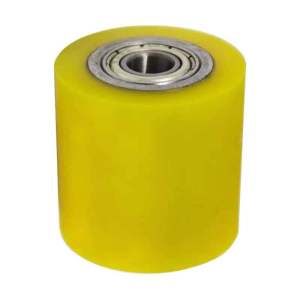
In terms of overall temperature resistance, PU plastic outperforms rubber, particularly in high-heat and low-temperature environments. If you need a material that can endure extreme thermal fluctuations, polyurethane is often the superior choice for maintaining durability and performance.
Flexibility and Elasticity: Which Material Suits Your Application Best?
When choosing between PU plastic and rubber, understanding their flexibility and elasticity is essential. Both materials exhibit different performance characteristics in various industries such as automotive, footwear, and industrial applications. Let’s explore how each material’s flexibility and elasticity can influence your decision.
The Flexibility of Polyurethane
Polyurethane plastic is known for its remarkable flexibility and ability to maintain its shape under stress. Unlike traditional rubbers, polyurethane can be engineered to offer a wide range of hardness, from very soft to very rigid, without sacrificing its mechanical strength. This makes polyurethane flexibility an important characteristic in industries where materials must maintain their shape while adapting to mechanical stress.
For instance, polyurethane foam is often used in cushioning and insulation applications due to its unique ability to compress and expand without losing its structural integrity. This versatility is why polyurethane materials are favored in industries such as automotive, where flexible materials are required for seats, seals, and gaskets.
Polyurethane uses span a broad spectrum due to this flexibility, making it a popular material for manufacturing protective coatings, insulation products, and industrial components that need to withstand constant mechanical movement without breaking down.
The Structure of Polyurethane Foam
The cellular structure of polyurethane foam contributes to its excellent flexibility and impact resistance. The ability of PU foam to absorb shock while maintaining flexibility is one of its most critical advantages, especially in applications where comfort and durability are needed, such as in footwear or furniture cushioning.
Polyurethane foam structure is designed to provide long-lasting performance in applications where traditional foam materials would degrade or lose shape. This makes polyurethane a superior choice when elasticity and form retention are essential for the product’s lifespan.
The Elasticity of Rubber
Rubber’s elasticity is one of its defining characteristics. It can stretch significantly without breaking and then return to its original shape, making it ideal for applications that require shock absorption and vibration damping. This quality is why rubber is commonly used in products like automotive tires, belts, and hoses.
However, while rubber’s elasticity is impressive, it lacks the overall versatility that PU plastic offers. Rubber tends to break down more quickly under prolonged mechanical stress, particularly in environments where exposure to chemicals or extreme temperatures is a factor.

In the comparison of synthetic rubber vs polyurethane, rubber often provides greater stretch but less tensile strength and wear resistance compared to polyurethane materials.
Synthetic Rubber vs Polyurethane: Performance in Industrial Applications
In industrial environments, the choice between synthetic rubber and polyurethane often depends on the specific demands of the application. Polyurethane is more durable and better suited for applications that require flexibility combined with high strength, such as conveyor belts or wheels, which need to resist wear while maintaining flexibility.
Rubber, particularly synthetic rubbers like Neoprene or EPDM, still has an advantage in applications that require extreme elasticity. For example, in seals and gaskets, rubber’s ability to stretch and recover is highly valued. However, polyurethane often outperforms rubber in terms of wear resistance and load-bearing capacity, which is crucial for heavy-duty industrial uses.
PU Meaning and Elasticity in Various Industries
The meaning of PU goes beyond just being a flexible material; it’s about offering tailored solutions that fit the needs of a wide range of industries. In automotive applications, for example, PU plastic is used for engine mounts, bushings, and insulation components, where flexibility and durability are equally important. Similarly, in footwear, polyurethane foam is preferred due to its superior shock absorption and shape retention over time, making it ideal for running shoes and ergonomic designs.
PU meaning in industrial terms often highlights its ability to combine flexibility with high performance, making it a versatile material across a variety of demanding applications.
Cost and Availability: Is PU Plastic More Affordable than Rubber?
When comparing PU plastic and rubber, cost is a key factor for many industries. Both materials have their strengths, but how do they compare in terms of price and availability? In this section, we’ll break down the costs associated with polyurethane and rubber, considering their manufacturing processes, availability, and overall value for specific applications.
Polyurethane Price: What Affects the Cost?
The price of polyurethane is largely dependent on its form and the specific application. Polyurethane foam and polyurethane sheets tend to have different pricing structures based on their manufacturing processes. For example, the cost to produce polyurethane foam is typically lower than solid polyurethane sheet material due to the differences in raw materials and processing methods.
Additionally, the ability to customize polyurethane plastic for various industrial uses, such as coatings, insulation, or gaskets, can also affect the cost. While the upfront price of PU plastic might be higher than rubber in some cases, its longer lifespan and greater resistance to wear often provide better value over time, particularly in demanding environments.

Polyurethane price also fluctuates based on the availability of raw materials like polyols and isocyanates, which are essential for the production of polyurethane. Economic factors, such as oil prices and global supply chains, can impact these material costs, leading to variations in the overall price of PU plastic.
Availability of Polyurethane
When it comes to availability, polyurethane materials are generally easy to source in most industrial markets. PU foam and polyurethane sheets are widely used across industries, from automotive to construction, which means suppliers often keep them in stock.
One of the advantages of polyurethane is its versatility. Manufacturers can adjust its formulation to meet the specific needs of various applications, making it a highly customizable and accessible material.
Polyurethane sheet material is particularly popular in industries where chemical resistance and durability are required. Given its wide range of uses, the availability of polyurethane is consistent, making it a reliable choice for projects requiring bulk orders or specialized products.
Rubber vs. Polyurethane: How Does Rubber Compare?
Rubber is often considered a more traditional material, and its pricing reflects its widespread use in industries like automotive, construction, and consumer goods. The cost of rubber can vary depending on whether you’re using natural rubber or synthetic rubber. Typically, synthetic rubbers like Neoprene or EPDM can be more expensive than natural rubber due to their enhanced properties, such as chemical resistance and temperature stability.
However, while rubber may initially be less expensive than polyurethane, it often requires more frequent replacement, particularly in harsh environments. Over time, polyurethane may offer a better return on investment due to its longer lifespan and resistance to wear.
Rubber vs polyurethane comparisons often show that, while rubber has a lower upfront cost, polyurethane plastic provides better overall value in applications where durability and resistance to chemicals and abrasion are critical.
Availability of Rubber
Rubber is widely available, but its supply chain can be affected by environmental factors, particularly in the case of natural rubber, which is harvested from rubber trees. Synthetic rubber, on the other hand, is produced from petroleum-based products, which means its availability can fluctuate with changes in global oil prices.
Despite these factors, rubber remains a widely accessible material, and manufacturers around the world continue to rely on it for applications that require elasticity and shock absorption.
Value for Specific Applications: PU Plastic vs. Rubber
When determining whether PU plastic or rubber is the better choice for your project, consider the specific demands of your application. For heavy-duty industrial uses, polyurethane’s durability and chemical resistance may justify the higher initial cost. Applications requiring flexibility and shock absorption, such as seals and gaskets, might benefit from the lower cost and greater elasticity of rubber.

Rubber vs PU ultimately depends on the lifecycle cost and performance requirements of your specific application. In many cases, polyurethane may provide superior value in environments that require long-term durability and resistance to wear and tear.
Frequently Asked Questions About PU Plastic, Rubber, and OwnPlastics Customization
1. What is the difference between PU plastic and rubber?
Answer: PU plastic (polyurethane) and rubber are both flexible materials, but they have different properties. PU plastic is generally more durable, offering better resistance to chemicals, abrasion, and extreme temperatures. Rubber, on the other hand, is highly elastic and is often used in applications where flexibility and shock absorption are critical. When choosing between rubber vs polyurethane, consider the specific requirements of your application, including durability, flexibility, and environmental factors.
2. Is polyurethane more durable than rubber?
Answer: Yes, polyurethane is typically more durable than rubber, especially in environments where abrasion resistance, tensile strength, and chemical resistance are critical. Polyurethane tends to have a longer lifespan, making it a preferred material in applications like industrial machinery, automotive components, and heavy-duty equipment.
3. Can polyurethane and rubber be customized for specific applications?
Answer: Absolutely! OwnPlastics specializes in custom manufacturing for both polyurethane and rubber products. Whether you need specific sizes, shapes, or formulations, OwnPlastics can handle everything from sample customization to large batch orders. Our expertise allows us to tailor the materials to your unique project requirements, ensuring you get the right solution for your needs.
4. Does OwnPlastics offer sample customization?
Answer: Yes, OwnPlastics provides sample customization for all our materials, including PU plastic and rubber. You can request a sample to ensure the material meets your specific requirements before placing a larger order. The sample is free of charge; however, customers are responsible for shipping costs.
5. What file formats does OwnPlastics accept for custom orders?
Answer: OwnPlastics accepts a wide range of file formats, including PDF and CAD. We strive to make the customization process as smooth as possible, so you can submit your design in the format most convenient for you. Our team can work with complex designs and specifications to ensure your product meets your exact needs.
6. Is there a minimum order quantity (MOQ) for custom polyurethane or rubber products?
Answer: No, OwnPlastics has no minimum order quantity (MOQ) for custom orders. Whether you need a single prototype or a large batch, we are equipped to handle orders of any size. This flexibility allows our customers to order exactly what they need, whether it’s for testing or full-scale production.
7. How does the production process work at OwnPlastics?
Answer: The production cycle at OwnPlastics depends on the order volume and the complexity of the process. We work closely with our clients to communicate production progress in real time, ensuring that you stay informed every step of the way. Our goal is to deliver high-quality PU plastic or rubber products on time, regardless of the order size.
8. Does OwnPlastics offer free samples?
Answer: Yes, OwnPlastics supports the provision of free samples. While the sample itself is free, customers are responsible for covering the shipping costs. This allows you to evaluate the material before committing to a larger order, ensuring it meets your application requirements.
9. How does the cost of polyurethane compare to rubber?
Answer: Polyurethane generally has a higher upfront cost than rubber, but it offers better durability and resistance to wear, which can lead to cost savings in the long run. The cost of polyurethane can vary depending on the form (e.g., PU foam or polyurethane sheets) and the specific application. While rubber may be less expensive initially, it often requires more frequent replacement, particularly in harsh environments.
10. What industries commonly use polyurethane and rubber materials?
Answer: Polyurethane and rubber are used across a wide range of industries. Polyurethane is favored in industries like automotive, aerospace, and manufacturing for applications that require durability and resistance to chemicals. Rubber is often used in footwear, automotive tires, and seals due to its superior elasticity and shock absorption. Both materials can be customized to fit specific industry needs, and OwnPlastics offers extensive customization options for all industries.
Here’s an effective conclusion paragraph for your blog post:
When choosing between PU plastic and rubber for your project, it’s essential to weigh the unique advantages each material offers. Polyurethane stands out for its durability, chemical resistance, and versatility, making it ideal for heavy-duty applications. On the other hand, rubber excels in flexibility and shock absorption, often preferred in industries like automotive and consumer goods. Ultimately, the decision depends on your specific requirements, including environmental conditions, durability needs, and cost considerations. If you’re still unsure which material is right for you, OwnPlastics offers tailored customization services for both polyurethane and rubber products, ensuring you get the best solution for your application. From sample customization to large-scale production, OwnPlastics is here to support your project with high-quality materials and expert service.

Ready to get started with high-quality PU plastic or rubber for your next project? Fill out the contact form on the right, and our experts will guide you through the best material options for your specific needs. For more information, click here to learn about our PU plastic solutions.

