 Skip to content

The Ultimate Guide to Teflon Properties: From Chemical Resistance to Machining Processes
In this detailed guide, I explore the remarkable uses of Teflon plastic sheets, highlighting their incredible chemical resistance, heat tolerance, and low friction properties. Whether you’re looking for insight into PTFE applications in industrial settings or everyday non-stick Teflon applications, this post will provide you with everything you need to know. From understanding the Teflon machining process to sourcing high-quality Teflon sheet material, I’ll guide you through the essentials of custom PTFE parts and their fabrication. Learn how PTFE sheets excel in heat resistant plastics applications, and explore their role in precision industries thanks to advanced CNC custom processing services. Plus, a case study will reveal how custom PTFE parts are used to tackle complex manufacturing challenges.

Summary of Main Points:
- Teflon plastic sheet properties: Discover the unique features that make Teflon essential, including chemical resistance and thermal stability.
- PTFE applications: How PTFE sheets are used in industries like aerospace, electronics, and food processing.
- Teflon machining process: Best practices for fabricating custom PTFE parts and optimizing CNC processing.
- Custom PTFE parts case study: A real-world example of how CNC custom processing delivers precision PTFE components.
- Teflon industrial applications: Explore the benefits of using Teflon for heat resistant plastics and low friction materials.
- Where to buy Teflon sheets: Tips on sourcing the best Teflon plastic sheets for your business needs.
Key Features of Teflon Plastic Sheets
Low Friction: The Hallmark of Teflon Sheets
Teflon plastic sheets stand out due to their incredibly low friction, making them essential in industries where smooth, efficient movement is critical. This property allows Teflon (PTFE) to be used extensively in mechanical parts that need to operate with minimal resistance, enhancing the longevity and performance of machinery across various sectors.
For instance, in the automotive industry, Teflon is utilized for its ability to allow engine parts and bearings to move seamlessly, reducing wear and improving vehicle efficiency. Similarly, in aerospace applications, Teflon sheets contribute to the reliability and safety of aircraft components by ensuring that they can operate under demanding conditions without excessive wear.
Industries Leveraging Low Friction
- Automotive: Enhances the operation of moving parts, reducing maintenance needs.
- Aerospace: Ensures the longevity of critical aircraft systems.
- Manufacturing: Minimizes equipment wear, increasing operational lifespan.
High Heat Resistance of Teflon
Another standout feature of Teflon plastic sheets is their exceptional heat resistance. Capable of withstanding a wide range of temperatures, from as low as -200°C up to 260°C, Teflon maintains its properties even in extreme conditions. This makes it ideal for applications where materials are subject to high temperatures that could degrade lesser materials.

In industries like electronics and industrial manufacturing, where components are frequently exposed to high thermal stress, Teflon sheets play a crucial role. They are often used to fabricate parts such as seals and gaskets, which need to maintain their integrity to ensure machinery operates reliably and safely.
Applications That Benefit from Teflon’s Heat Resistance
- Electronics: Protects components from thermal degradation.
- Industrial Manufacturing: Aids in the longevity and reliability of machinery under high temperatures.
- Automotive: Ensures that engine components perform optimally in varying thermal conditions.
Non-Stick Properties of Teflon
Teflon’s renowned non-stick properties not only make it popular in kitchen cookware but also in industrial applications where material adhesion can pose major challenges. This feature is critical in settings such as food processing and chemical manufacturing, where preventing material buildup is essential for maintaining productivity and cleanliness.
Utilizing Teflon’s Non-Stick Capabilities
- Food Processing: Teflon sheets line processing equipment to prevent food from sticking, which simplifies cleaning and reduces waste.
- Chemical Manufacturing: Prevents chemical adhesives from sticking to machinery, decreasing downtime caused by cleaning and maintenance.
- Pharmaceuticals: Ensures that processing equipment remains uncontaminated and easy to maintain, crucial for product purity.
These non-stick capabilities not only enhance operational efficiency but also contribute to improved safety and reduced operational costs in various industrial environments.
Chemical Resistance: Why PTFE Thrives in Harsh Environments
Unmatched Chemical Resistance of PTFE
One of the most remarkable features of PTFE (Teflon plastic sheets) is their exceptional chemical resistance. This property makes Teflon an essential material in industries where exposure to harsh chemicals is unavoidable. Unlike other plastics, PTFE can resist the corrosive effects of a wide range of substances, including acids, solvents, and even strong alkalis. This chemical compatibility makes it an indispensable choice in environments where maintaining material integrity under aggressive chemical exposure is critical.

The chemical stability of PTFE is particularly valued in chemical processing plants, where materials are continuously exposed to reactive and often hazardous chemicals. Teflon plastic sheets act as protective barriers, ensuring that equipment remains intact and operational despite constant chemical interaction. Whether it’s for tank linings, seals, or gaskets, PTFE’s chemical resistance allows machinery to operate safely and efficiently.
Industries Relying on PTFE’s Chemical Resistance
Chemical Processing
In the chemical processing industry, equipment is regularly exposed to corrosive substances. This creates the need for materials that not only resist chemical degradation but also maintain their mechanical strength. PTFE sheets are often used as liners for chemical tanks, pipes, and pumps, protecting vital equipment from corrosive agents that would otherwise cause costly damage or downtime.
Real-World Example:
Consider a chemical plant that processes sulfuric acid, one of the most corrosive substances known. PTFE gaskets and seals are used to prevent leaks and maintain a tight seal in equipment handling the acid. Without PTFE’s resistance, these components would degrade rapidly, leading to potential failures and safety hazards.
Pharmaceutical Industry
In the pharmaceutical industry, maintaining a sterile environment is essential for producing high-quality medications. PTFE plastic sheets are used extensively in pharmaceutical equipment because of their ability to resist contamination from cleaning agents and solvents. These properties, combined with Teflon’s non-stick surface, ensure that machinery remains free from chemical residues that could otherwise compromise the purity of the pharmaceuticals being manufactured.
Application:
During the production of injectable medications, for example, PTFE seals are often used in sterilizers and reactors. These seals ensure that the equipment remains airtight and free from any contaminants, guaranteeing that the medications produced are safe and uncontaminated by external substances.
Food Processing
In food production, hygiene and safety are paramount. PTFE’s chemical resistance ensures that food processing equipment can be cleaned with strong disinfectants and sanitizers without degrading over time. This is crucial in maintaining food safety standards, as the machinery must undergo regular cleaning to prevent contamination. PTFE sheets serve as liners and seals in food processing machinery, where they come into contact with both food products and harsh cleaning agents.
Use Case:

A food processing facility may use PTFE-lined conveyor belts to prevent the buildup of sticky substances during the production of candy or baked goods. These belts can be cleaned with caustic chemicals to ensure cleanliness without fear of damage, thanks to PTFE’s resistance to chemical exposure.
The Benefits of PTFE in High-Corrosion Environments
The unmatched chemical resistance of PTFE enables it to thrive in high-corrosion environments where other materials would fail. Whether it’s being used in the chemical, pharmaceutical, or food industries, Teflon plastic sheets consistently deliver durability and reliability under extreme conditions. The fact that PTFE can withstand both the harshest chemicals and high-temperature cleaning processes makes it an invaluable asset to any industry that prioritizes safety and longevity in its machinery.
The Versatility of PTFE Sheets: Applications Across Industries
Automotive Industry: PTFE for Precision and Durability
PTFE sheets play a crucial role in the automotive industry, where precision and durability are essential for efficient vehicle operation. Due to its low friction, heat resistance, and chemical resistance, Teflon (PTFE) is often used in components that experience constant motion, high temperatures, or exposure to lubricants and chemicals. Custom PTFE parts can be found in key automotive systems, including engines, transmissions, and braking systems.
For example, PTFE gaskets are widely used to create seals that withstand high temperatures and corrosive fluids. This helps prevent leaks and ensures that engines and other mechanical systems run smoothly without excessive wear. Additionally, PTFE’s non-stick properties reduce friction between moving parts, extending the lifespan of components such as bearings, bushings, and seals.
PTFE’s Key Automotive Applications
- Gaskets and seals: Provide durable, leak-proof protection in engines and hydraulic systems.
- Bearings and bushings: Reduce wear and improve the longevity of moving components.
- Hoses and tubing: Resist corrosion and withstand exposure to automotive fluids.
Electronics: PTFE as an Insulator and Protector
The electronics industry relies heavily on PTFE sheets for their superior dielectric properties and thermal resistance. Teflon is an excellent insulator, making it the material of choice for applications requiring high-performance electrical insulation. PTFE can protect sensitive electronic components from heat, moisture, and electrical interference, ensuring that devices operate reliably and safely.
One of the most common uses of PTFE in electronics is in circuit boards and wire coatings. Its ability to resist high temperatures without degrading makes it ideal for insulating wires and cables in environments where heat can compromise lesser materials. Additionally, PTFE sheets are used in printed circuit boards (PCBs) to ensure electrical integrity, especially in high-frequency devices.
PTFE’s Critical Electronics Applications
- Wire and cable insulation: Provides superior electrical insulation and heat resistance.
- Printed circuit boards (PCBs): Ensures the reliability and safety of electronic devices.
- Dielectric materials: Prevents electrical interference in sensitive components.
Medical Devices: PTFE for Safety and Hygiene
In the medical industry, PTFE sheets are valued for their biocompatibility, non-stick properties, and chemical resistance. Medical devices must be made from materials that are not only safe for human use but also resistant to contamination and easy to sterilize. PTFE meets these stringent requirements, making it an ideal material for a wide range of medical applications, from surgical tools to implantable devices.
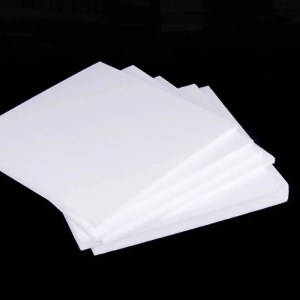
For example, PTFE’s non-stick surface prevents bacterial growth on medical equipment, ensuring that tools and devices remain clean and safe during use. PTFE tubing is also used in catheters, stents, and other implantable devices due to its biocompatibility and resistance to bodily fluids. Custom PTFE parts are often manufactured for these applications, ensuring that each component meets the precise requirements of the medical field.
PTFE’s Key Medical Applications
- Catheters and stents: Offers biocompatibility and resistance to bodily fluids.
- Surgical tools: Ensures tools are easy to clean and free of bacterial contamination.
- Implantable devices: Provides a safe, durable material for long-term use in the body.
Custom PTFE Parts in Precision Manufacturing
Across industries, custom PTFE parts play a pivotal role in precision manufacturing. Whether used in automotive, electronics, or medical devices, manufacturers rely on customized PTFE components to meet the specific needs of their operations. The ability to machine PTFE sheets into precise shapes and sizes allows for the creation of highly specialized parts that can withstand the unique demands of each industry.
Custom PTFE parts are produced using CNC machining, a process that allows for high precision and repeatability. This ensures that each part meets exact specifications, whether it’s a seal for an automotive engine, insulation for an electronic device, or a catheter for a medical procedure. The versatility of PTFE enables it to be shaped and molded to fit the most demanding applications, making it a cornerstone material in modern manufacturing.
Why Custom PTFE Parts Matter
- High precision: Ensures that each part fits perfectly into complex machinery or devices.
- Durability: Custom PTFE parts offer long-lasting performance in harsh environments.
- Versatility: Can be machined to meet the exact needs of any industry, from automotive to medical.
Mastering the Teflon Machining Process: Best Practices and Techniques
The Complexity of Machining PTFE
Machining Teflon (PTFE) requires specific expertise and techniques due to its unique physical properties. PTFE is known for being soft and slippery, which can make traditional machining methods challenging. However, with the right machining processes and an understanding of PTFE’s material behavior, manufacturers can produce highly durable and precise PTFE parts.
The low friction of PTFE that makes it so valuable in industrial applications also presents difficulties during machining. The material tends to deform easily, so machining it requires precision tools and processes that can handle these characteristics without causing excessive wear or deformation. Moreover, Teflon has a relatively low melting point compared to other engineering plastics, which means that heat management during machining is crucial to maintaining the integrity of the final product.
Why CNC Custom Processing is Essential for PTFE Parts
Given the complexity of working with PTFE, CNC custom processing services have become the standard for fabricating precise and durable PTFE parts. Computer Numerical Control (CNC) machining allows for extreme accuracy and repeatability, making it ideal for producing custom components from Teflon plastic sheets.

With CNC machining, manufacturers can create intricate shapes and geometries that are often required in industries such as automotive, aerospace, and medical devices. Additionally, the computerized precision ensures that each part is produced consistently, no matter how complex the design or tight the tolerances may be. This is especially critical for applications where PTFE parts must function under high stress or in harsh environments, such as seals or gaskets in industrial machinery.
Benefits of CNC Machining for PTFE:
- High precision: CNC machining ensures that every PTFE part meets exact specifications.
- Consistency: Custom parts are replicated accurately, ensuring uniform performance across all components.
- Efficiency: Automated processes reduce the potential for human error and material waste.
Best Practices for Machining PTFE Plastic Sheets
To ensure the durability and precision of PTFE parts, there are several best practices that manufacturers should follow. These techniques help mitigate the challenges posed by PTFE’s low friction and softness, resulting in high-quality, functional parts.
1. Tool Selection and Sharpening
Due to its low friction and softness, PTFE requires extremely sharp tools for machining. Dull tools can cause the material to tear or deform, resulting in poor-quality parts. High-speed steel (HSS) or carbide tools are commonly used because they can maintain their sharpness and precision over long machining runs.
- Sharp tools: Prevent tearing and ensure smooth, accurate cuts.
- Carbide and HSS tools: Commonly used for their durability and sharpness in handling PTFE.
2. Temperature Management
Heat is one of the most significant factors to manage when machining PTFE plastic sheets. If temperatures become too high during the process, Teflon may start to deform or melt, leading to inconsistencies in the final part. To avoid this, manufacturers should use lower spindle speeds and implement effective cooling strategies to keep temperatures under control.
- Low spindle speeds: Help reduce heat buildup during machining.
- Coolant use: Essential for maintaining temperature control and ensuring part integrity.
3. Clamping and Material Support
Because PTFE is a soft material, clamping and supporting the material during machining can be tricky. It’s important to use gentle, non-marring clamps that hold the Teflon sheet securely without causing deformation. Proper material support during the machining process also ensures that the part retains its dimensions and shape.
- Non-marring clamps: Prevent material deformation.
- Proper support: Ensures the PTFE sheet maintains its form throughout the machining process.
4. Finishing and Polishing
Once PTFE parts are machined, the final step often involves polishing or finishing the surfaces to ensure they meet the necessary performance standards, particularly for applications requiring smooth, frictionless surfaces. Polishing can remove any minor imperfections or rough edges that may have been introduced during the machining process.
- Polishing: Ensures smooth, friction-free surfaces for PTFE applications such as seals or gaskets.
- Surface finishing: Enhances the performance and longevity of the final part.
Precision and Durability: The Role of Custom PTFE Parts
The importance of precision in machining PTFE plastic sheets cannot be overstated, especially for custom applications where PTFE parts are used in high-performance industrial equipment. Industries such as aerospace, electronics, and food processing rely on custom PTFE components that must perform reliably under harsh conditions, whether it’s high temperatures, exposure to chemicals, or the need for frictionless surfaces.

By following these best practices and leveraging CNC custom processing services, manufacturers can ensure that PTFE parts are not only durable and precise but also optimized for their specific applications. This level of precision ultimately leads to improved performance and longer-lasting components in a variety of industries.
Temperature Limits and Mechanical Strength: How PTFE Excels in Tough Conditions
Thermal Expansion and Temperature Resistance of Teflon Plastic Sheets
One of the defining qualities of Teflon plastic sheets is their remarkable temperature resistance. PTFE (Polytetrafluoroethylene) can withstand extreme temperatures ranging from -200°C to 260°C without losing its mechanical integrity. This unique characteristic makes Teflon highly suitable for applications that involve significant thermal stress, such as in automotive, aerospace, and industrial manufacturing environments.
In contrast to many other plastics, PTFE’s thermal expansion properties allow it to endure intense heat while maintaining its shape and performance. Whether exposed to high temperatures in an engine or extreme cold in aerospace applications, Teflon demonstrates unparalleled durability. This resistance to thermal deformation ensures that parts made from Teflon sheets continue to function effectively even in challenging environments.
How Thermal Expansion Affects PTFE
Thermal expansion refers to how a material changes in size when exposed to temperature fluctuations. Teflon exhibits a relatively low coefficient of thermal expansion compared to other plastics, meaning it doesn’t expand or contract significantly in response to temperature changes. This stability is a key reason why PTFE is trusted in industries where precision and dimensional stability are critical, even under extreme heat.
- Low coefficient of thermal expansion: Ensures that Teflon plastic sheets retain their shape under thermal stress.
- Dimensional stability: Prevents warping or deformation, which is vital for maintaining the functionality of precision parts.
Mechanical Strength Under Extreme Conditions
Beyond its temperature resistance, PTFE is also celebrated for its mechanical strength. Despite its relatively soft nature, Teflon can handle high mechanical stress, especially in harsh industrial environments. This balance of toughness and flexibility makes Teflon plastic sheets highly durable, capable of withstanding wear and tear over time while maintaining their essential properties.
In high-performance applications like automotive gaskets, PTFE provides a long-lasting solution that won’t degrade when exposed to hot oils, chemicals, or extreme heat. Similarly, in aerospace applications, where temperature fluctuations are common, Teflon parts maintain their strength without becoming brittle or cracking under pressure.
PTFE’s Role in High-Performance Applications
- Automotive: Teflon gaskets and seals withstand high temperatures and chemical exposure, ensuring durability in engines and transmissions.
- Aerospace: PTFE parts are crucial in aircraft systems where components must endure rapid temperature changes without failure.
- Industrial: Teflon plastic sheets provide reliable performance in machinery that operates in both high-heat and high-pressure environments.
The Importance of PTFE’s Durability in Harsh Conditions
What sets PTFE apart from other materials is its ability to retain its mechanical and physical properties across a broad temperature range. While other plastics may soften, warp, or degrade, Teflon remains stable, ensuring consistent performance in high-pressure, high-heat environments. This resistance to environmental degradation makes Teflon plastic sheets a top choice for industrial applications where long-term durability and reliability are crucial.
Applications That Require Extreme Temperature Tolerance
- Seals and gaskets: PTFE is often used to create seals that can resist both high heat and chemical exposure in engines and industrial machinery.
- Electrical insulation: In electronics, Teflon sheets are used for insulating components that must resist high temperatures without losing their insulating properties.
- Chemical processing: PTFE plastic sheets are used to line tanks and pipes that are exposed to corrosive chemicals and high temperatures, ensuring that the equipment remains operational and safe.
High-Temperature Performance of Custom PTFE Parts

For industries that demand materials capable of performing in extreme conditions, custom PTFE parts offer the perfect solution. Whether it’s for seals, gaskets, or other precision components, Teflon’s temperature tolerance and mechanical strength make it an ideal choice. Custom PTFE parts, designed and manufactured using CNC machining, can be tailored to withstand specific temperature and pressure requirements, providing industries with the reliability and performance they need to operate efficiently.
Why Custom PTFE Parts Are Essential for High-Heat Environments
- Tailored designs: Custom parts ensure that every component meets exact specifications for high-performance applications.
- Heat and pressure resistance: Teflon plastic sheets can be shaped into parts that thrive in environments with extreme heat and mechanical stress.
- Long-term reliability: Custom PTFE parts provide a durable solution for applications where other materials would degrade over time.
Case Study: Custom PTFE Parts and CNC Processing for Precision Manufacturing
A Challenging Request from the Industrial Sector
One of our clients in the industrial manufacturing sector faced a unique challenge. Their machinery, which operated under extreme conditions, required custom-made PTFE parts that could withstand high temperatures, constant friction, and exposure to corrosive chemicals. The existing parts, made from conventional materials, were failing too frequently, leading to costly downtime and repairs. They needed a solution that was not only durable but also tailored to their specific operational requirements.
Step 1: Consultation and Design
The process began with an in-depth consultation. Our team of experts met with the client’s engineering department to fully understand the issues they were facing. Through detailed discussions, we identified the key requirements for the custom PTFE parts: high-temperature resistance, low friction, and chemical compatibility. The parts needed to maintain their structural integrity in harsh environments, so PTFE (Teflon) was the clear choice due to its unmatched properties.
During this phase, we collaborated closely with the client to design custom PTFE seals, gaskets, and other machine components that would meet their needs. Our design team utilized advanced CAD software to model the parts, ensuring that every dimension and specification aligned perfectly with the client’s machinery.
Step 2: CNC Machining for Precision and Accuracy
Once the designs were finalized, we moved on to CNC custom processing. Computer Numerical Control (CNC) machining was essential in producing the precision parts required for this project. The client’s equipment had very tight tolerances, and each part needed to fit perfectly within the machinery to ensure smooth operation and prevent leaks.
Using high-quality Teflon plastic sheets, our CNC machines were able to fabricate the parts with extreme accuracy. The precision of CNC machining allowed us to produce custom PTFE components such as:
- High-performance seals: These seals were designed to withstand high pressure and prevent leaks, even under intense heat and chemical exposure.
- Durable gaskets: The PTFE gaskets were tailored to provide a secure fit, ensuring long-term reliability and resistance to both wear and chemical corrosion.
- Specialized machine components: Custom parts, including bushings and slide plates, were machined to exact specifications to reduce friction and enhance machinery performance.
Step 3: Testing and Refinement
After the initial CNC machining, we conducted rigorous testing to ensure that each part met the client’s exacting standards. The parts were tested under conditions that simulated the client’s operating environment, including exposure to high temperatures and corrosive substances. This step was crucial to guarantee that the PTFE parts would perform reliably over the long term.
In some cases, minor adjustments were needed, and we refined the designs to ensure perfect functionality. The CNC process made these modifications seamless, allowing us to produce an optimized final product without significant delays.
Step 4: Delivery and Implementation
Once the parts passed all performance tests, we delivered them to the client for installation. The custom PTFE parts fit seamlessly into their machinery, and the client was able to resume full operations with enhanced efficiency. The PTFE seals and gaskets provided a superior level of durability compared to their previous components, significantly reducing downtime and maintenance costs.
The Impact: Long-Term Benefits for the Client
By utilizing our CNC custom processing services and producing highly precise PTFE components, the client experienced several key benefits:
- Increased reliability: The new PTFE parts were far more resistant to wear, heat, and chemicals, ensuring consistent performance over time.
- Reduced maintenance: The durability of the custom components led to fewer breakdowns and reduced the need for frequent part replacements.
- Enhanced operational efficiency: With machinery running smoothly and less downtime, the client saw improved productivity and cost savings.
This case study highlights how our expertise in CNC machining and custom PTFE parts can solve even the most complex challenges in industrial manufacturing. The combination of precision engineering and the unique properties of Teflon resulted in a highly successful outcome for our client, reinforcing the value of tailored solutions in high-performance environments.

Need Reliable PTFE Components? Find out how our Teflon plastic sheets can solve your toughest industrial challenges. Contact us by filling out the form below, or visit our Teflon plastic solutions at OwnPlastics and services and capabilities at OwnPlastics to see our wide range of customization options that bring quality and reliability to your operations.
Frequently Asked Questions About Customization Services at OwnPlastics
Here’s a comprehensive FAQ list tailored to the services offered by OwnPlastics. This FAQ covers everything from custom orders to file formats, production timelines, and sample provisions.
1. Can OwnPlastics handle both sample customization and batch orders?
Yes, OwnPlastics can undertake any form of customization. Whether you need a single custom sample to test for your project or a full batch for production, we can accommodate both sample customization and batch customization to suit your needs.
2. What file formats does OwnPlastics accept for customization projects?
OwnPlastics supports a variety of file formats to make your customization process easy. We accept PDF, CAD, and many other industry-standard file formats. Simply send us your design, and we’ll handle the rest with precision.
3. Is there a minimum order quantity (MOQ) for custom parts at OwnPlastics?
No, there is no minimum order quantity required for customization at OwnPlastics. Whether you need a single part or a large production run, we can meet your needs with no MOQ restrictions.
4. How does OwnPlastics determine the production cycle for custom orders?
The production cycle at OwnPlastics is based on the size and complexity of your order. Each order is carefully planned according to the amount of work involved, and we communicate real-time progress updates so you are always informed about the status of your project.
5. Can OwnPlastics provide samples before I place a larger order?
Yes, we are happy to provide free samples for your project. The only cost to you is the shipping fee, which you will need to cover. Samples allow you to assess the quality before committing to a larger production run.
6. What materials can be customized at OwnPlastics?
OwnPlastics specializes in a wide range of engineering plastics, including PTFE, Teflon, POM, and more. If you have specific material requirements, let us know, and we’ll customize the product to meet your exact specifications.
7. How does OwnPlastics handle the complexity of custom designs?
We use advanced CNC processing services to precisely manufacture custom parts, no matter the complexity. Our experienced team ensures that even intricate designs are produced with accuracy and consistency.
8. Does OwnPlastics offer real-time updates on the production process?
Yes, throughout the production process, we keep our customers updated in real-time. Our team ensures that you are informed about the progress, estimated completion, and any changes that may occur during production.
9. Are shipping costs included in the customization price?
Shipping costs are not included in the sample offer. The samples are free, but customers are responsible for covering the shipping fees. For bulk orders, shipping costs may vary depending on your location and order size, which we discuss upfront.
10. How do I get started with a custom order at OwnPlastics?
To begin, simply contact us with your project details and design files. Whether you need sample customization or a full production run, our team will guide you through the process from start to finish, ensuring the highest quality results.
 Whether you’re looking for Teflon plastic sheets for industrial applications or need custom PTFE parts to solve specific challenges, the versatility and durability of PTFE make it an unbeatable choice. With its exceptional chemical resistance, low friction, and heat tolerance, Teflon stands up to even the most demanding environments. At OwnPlastics, we’re committed to providing high-quality, custom-engineered PTFE solutions tailored to your exact needs. From the initial consultation to precision CNC machining, our team ensures that every part is built to perform. Reach out today to discover how we can help optimize your processes with cutting-edge Teflon solutions.


