 Skip to content

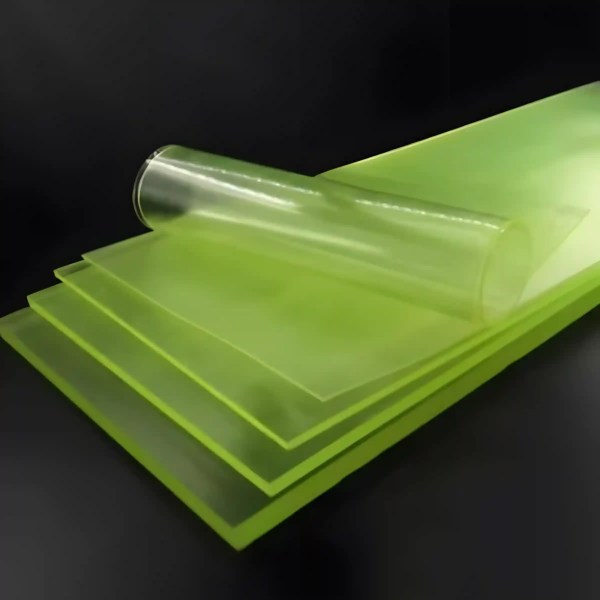
Unleashing the Power of PU Sheets: Top Industrial Applications for Polyurethane Plastic
Discover the incredible versatility of polyurethane plastic sheets in modern industry! From highly flexible PU sheets to robust thermoplastic polyurethane options, these materials are revolutionizing manufacturing across sectors. In this comprehensive guide, I’ll unveil how polyurethane sheeting outperforms traditional materials, offering superior abrasion resistance, chemical resistance, and impact resistance. Whether you need clear polyurethane sheets for visibility or black polyurethane sheets for durability, I’ll explore the vast range of polyurethane colors and thickness options available. Learn how industrial polyurethane applications span from food-grade polyurethane components to high-temperature polyurethane solutions for extreme environments. I’ll delve into the polyurethane hardness scale, compare polyurethane vs. rubber and plastic, and showcase how custom polyurethane sheets are tailored for specific needs through CNC machining and thermoforming.

In this blog post, I’ll cover:
- Properties and advantages of polyurethane plastic sheets
- Key industrial applications of PU sheets
- Performance in extreme temperature environments
- Enhancing durability with abrasion, chemical, and impact resistance
- Industry-specific solutions (food processing, automotive, aerospace, marine)
- Noise reduction and vibration dampening applications
- Custom polyurethane sheet solutions and case studies
Join me as we unlock the potential of polyurethane sheet materials and explore how they’re shaping the future of industrial manufacturing!
Understanding Polyurethane Plastic Sheets: Properties and Advantages
The Evolution of Polyurethane in Industry
The story of polyurethane plastic sheets is one of continuous innovation and adaptation. Since their invention in the 1930s, polyurethanes have undergone significant development, evolving from a niche material to a versatile polymer used across numerous industries. Today, PU sheets represent the cutting edge of material science, offering a unique combination of properties that make them indispensable in modern manufacturing and engineering.
The Chemical Marvel: Composition and Structure
At its core, polyurethane is a polymer composed of organic units joined by urethane links. This chemical structure is the key to understanding its remarkable properties. Unlike traditional plastics or rubbers, polyurethane’s molecular makeup can be fine-tuned to achieve specific characteristics, ranging from soft and elastic to rigid and tough.
The Role of Isocyanates and Polyols
The production of polyurethane sheeting involves the reaction between isocyanates and polyols. By adjusting the ratio and types of these components, manufacturers can create PU sheets with vastly different properties. This level of customization is unparalleled in the world of polymers, allowing for the creation of custom polyurethane sheets tailored to specific industrial needs.
Key Properties: A Deeper Dive
Unmatched Durability
When it comes to durability, polyurethane plastic sheets are in a league of their own. Let’s break down the components of this exceptional toughness:
- Abrasion Resistance: PU sheets can withstand up to 5-10 times more abrasion than conventional rubber or plastic. This makes them ideal for high-wear applications such as conveyor belts or industrial rollers.
- Tear Strength: With tear strengths ranging from 20 to 800 pounds per linear inch (PLI), depending on the formulation, PU sheets outperform many traditional materials in applications where resistance to tearing is crucial.
- Chemical Resistance: From acids to hydrocarbons, polyurethane shows remarkable resistance to a wide array of chemicals. This property is particularly valuable in industries like oil and gas or chemical processing.

Elasticity and Flexibility: The Best of Both Worlds
Highly flexible PU sheets offer a unique combination of elasticity and strength. This property is quantified by the material’s modulus of elasticity, which can range from 0.01 to 10 GPa, depending on the formulation. To put this in perspective, soft rubber has a modulus of about 0.01-0.1 GPa, while hard plastics like polyethylene fall in the 0.8-1.6 GPa range. This wide spectrum allows polyurethane to be tailored for applications ranging from flexible seals to load-bearing structural components.
The Polyurethane Hardness Scale: A Key to Customization
Understanding the polyurethane durometer is crucial for selecting the right material for a specific application. The Shore hardness scale, developed by Albert Shore in the 1920s, remains the industry standard for measuring the hardness of elastomers.
Shore A vs. Shore D: Choosing the Right Scale
- Shore A: Used for softer materials, this scale is ideal for measuring the hardness of flexible polyurethane sheets. A Shore A hardness of 20-40 might be used for soft, gel-like applications, while 70-90 would be suitable for firmer, yet still flexible sheets.
- Shore D: For harder polyurethanes, the Shore D scale comes into play. Materials with a Shore D hardness of 30-50 offer a balance of rigidity and impact resistance, while those above 60 are used in applications requiring high stiffness and wear resistance.
It’s worth noting that there’s some overlap between these scales. A material with a Shore A hardness of 95 is roughly equivalent to a Shore D hardness of 46. This nuanced understanding of hardness allows engineers to fine-tune the properties of PU plastic sheets for optimal performance in specific applications.
Polyurethane vs. Traditional Materials: A Comparative Analysis
When weighing polyurethane vs. rubber or polyurethane vs. plastic, it’s essential to consider specific performance metrics:
Polyurethane vs. Rubber
- Abrasion Resistance: Polyurethane typically offers 3-4 times better abrasion resistance than rubber, extending the lifespan of components in high-wear applications.
- Compression Set: PU maintains its shape better under constant pressure, with compression set values as low as 5-10% compared to rubber’s 15-25%.
- Oil Resistance: While some specialty rubbers offer good oil resistance, polyurethane generally outperforms standard rubber in this aspect, maintaining its properties even after prolonged exposure to oils and greases.
Polyurethane vs. Plastic
- Impact Strength: Polyurethane’s impact strength can be up to 10 times higher than that of rigid plastics, making it ideal for applications requiring both strength and flexibility.
- Temperature Range: While high-performance plastics can operate in extreme temperatures, polyurethane offers a broader usable temperature range (-40°C to 120°C) without significant property changes.
- Customizability: The ability to fine-tune polyurethane’s properties surpasses that of most conventional plastics, allowing for more specialized solutions.
Thermal Properties: Versatility Across Temperature Ranges

The thermal behavior of polyurethane plastic sheets is another area where this material shines. From low-temperature polyurethane applications in cryogenic environments to high-temperature polyurethane uses in industrial ovens, PU sheets maintain their integrity across a remarkable temperature spectrum.
- Low-Temperature Performance: Some polyurethane formulations can maintain flexibility at temperatures as low as -50°C, outperforming many rubbers and plastics in cold environments.
- High-Temperature Stability: Certain polyurethane grades can withstand continuous exposure to temperatures up to 120°C, with brief excursions to even higher temperatures.
- Thermal Insulation: With thermal conductivity values ranging from 0.1 to 0.3 W/mK, polyurethane sheets can also serve as effective thermal insulators when required.
The Future of Polyurethane Sheets in Industry
As industries continue to demand materials with ever-more-specific properties, the role of polyurethane sheeting is set to grow. Emerging trends include:
- Bio-based Polyurethanes: Addressing sustainability concerns, researchers are developing PU sheets made from renewable resources, reducing the material’s environmental footprint.
- Smart Polyurethanes: Integration of sensors or responsive elements into PU sheets, creating materials that can adapt to changing conditions or provide real-time data.
- Nanocomposite PU Sheets: By incorporating nanoparticles, manufacturers are creating polyurethane sheets with enhanced properties, such as improved flame resistance or electrical conductivity.
Understanding these properties and advantages reveals why polyurethane sheet materials have become indispensable in modern industry. Their unparalleled combination of durability, flexibility, and customizability positions them as a material of choice for innovative engineering solutions across a wide range of sectors.
Versatility in Action: Key Industrial Applications of PU Sheets
The Industrial Revolution of Polyurethane
Polyurethane plastic sheets have revolutionized numerous industries due to their remarkable versatility and superior performance characteristics. From heavy machinery to delicate electronics, PU sheets have found their way into a myriad of applications, showcasing their adaptability and effectiveness in solving complex engineering challenges.
Manufacturing and Material Handling
Conveyor Systems: The Backbone of Industry
In the world of manufacturing and logistics, polyurethane sheeting plays a crucial role in enhancing the efficiency and longevity of conveyor systems.
- Conveyor Belts: PU sheets are used to create durable, abrasion-resistant conveyor belts that can handle everything from sharp metal components to abrasive minerals. The high tensile strength of polyurethane allows these belts to operate under heavy loads while resisting tears and punctures.
- Skirt Boards: Lining conveyor skirt boards with flexible PU sheets helps to contain materials and reduce spillage, improving both efficiency and workplace safety.
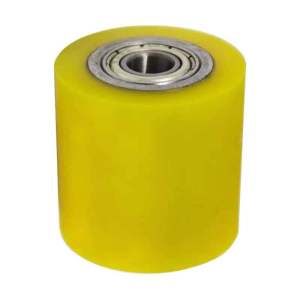
- Rollers and Pulleys: Polyurethane-coated rollers and pulleys offer improved grip and wear resistance compared to traditional metal or rubber alternatives, extending the life of conveyor components.
Sealing and Gasketing Solutions
Gaskets and Seals: Keeping Industries Leak-Free
The unique properties of polyurethane plastic sheets make them ideal for creating high-performance gaskets and seals across various industries.
- Hydraulic and Pneumatic Seals: PU’s excellent wear resistance and low compression set make it perfect for dynamic sealing applications in hydraulic and pneumatic systems, where it outperforms traditional rubber seals.
- Chemical Processing Gaskets: The chemical resistance of polyurethane allows it to be used in gaskets for chemical processing equipment, where exposure to harsh substances is common.
- Food and Beverage Industry: FDA-compliant polyurethane formulations are used to create gaskets and seals for food processing equipment, combining hygiene with durability.
Protective Linings and Coatings
Shielding Surfaces from Wear and Tear
PU sheets excel in providing protective linings for various industrial applications, significantly extending the life of equipment and structures.
- Storage Tank Linings: Polyurethane linings protect storage tanks from corrosion and chemical attack, particularly in industries dealing with aggressive substances.
- Chute and Hopper Linings: In mining and aggregate industries, PU linings for chutes and hoppers reduce wear from abrasive materials, minimizing downtime and maintenance costs.
- Pipe Linings: Polyurethane-lined pipes offer superior resistance to abrasion and corrosion compared to traditional materials, making them ideal for transporting slurries and other abrasive media.
Automotive and Transportation
Driving Innovation in Vehicle Design
The automotive industry has embraced polyurethane sheet materials for their ability to enhance vehicle performance and comfort.
- NVH (Noise, Vibration, and Harshness) Reduction: PU sheets are used to create damping components that reduce noise and vibration in vehicles, improving passenger comfort.
- Underbody Protection: Tough, impact-resistant polyurethane sheets serve as underbody shields, protecting critical components from road debris and environmental factors.
- Interior Components: From dashboard covers to seat cushions, polyurethane’s versatility allows it to be used in various interior applications, offering both functionality and aesthetic appeal.
Aerospace and Defense
Reaching New Heights with PU Technology
The aerospace industry relies on the advanced properties of polyurethane plastic sheets to meet its stringent requirements.
- Aircraft Interiors: Lightweight, flame-retardant PU sheets are used in aircraft interiors, meeting strict safety regulations while providing durability and design flexibility.
- Fuel Tank Linings: Specialized polyurethane formulations resistant to jet fuel are used to line aircraft fuel tanks, ensuring long-term integrity and safety.
- Vibration Dampening: In both aircraft and military vehicles, PU components help reduce vibration, improving equipment longevity and operational effectiveness.
Marine Applications
Navigating Harsh Environments
The marine industry leverages the unique properties of polyurethane to combat the challenges of aquatic environments.
- Hull Protection: Highly flexible PU sheets are used as protective layers on boat hulls, offering impact resistance and reducing drag.
- Dock Fenders: Polyurethane fenders provide superior impact absorption and durability compared to traditional rubber fenders, protecting both vessels and dock structures.
- Subsea Cable Protection: In offshore applications, PU sheets are used to create protective coverings for subsea cables, resisting hydrostatic pressure and marine growth.

The wide-ranging applications of polyurethane sheeting across these diverse industries underscore its status as a truly versatile and indispensable material in modern engineering and manufacturing. As technology advances and new challenges emerge, the adaptability of PU sheets ensures they will continue to play a crucial role in industrial innovation and problem-solving.
Polyurethane Sheets in Extreme Environments: From High Temperature to Low Temperature Applications
The Thermal Versatility of Polyurethane
Polyurethane plastic sheets have gained a reputation for their remarkable ability to maintain performance across a wide range of temperatures. This thermal versatility makes PU sheets an invaluable material in industries where extreme temperature conditions are the norm rather than the exception.
High-Temperature Polyurethane Applications
Withstanding the Heat
High-temperature polyurethane formulations have pushed the boundaries of what’s possible in hot environments. These specialized PU sheets can maintain their structural integrity and key properties at temperatures that would cause other materials to fail.
Industrial Ovens and Kilns
In settings where temperatures regularly exceed 100°C (212°F), high-temperature polyurethane sheets find numerous applications:
- Conveyor Belts: PU sheets are used to create heat-resistant conveyor belts for ovens in food processing and industrial baking.
- Gaskets and Seals: High-temperature PU gaskets maintain their sealing properties in hot equipment, preventing leaks and maintaining efficiency.
Automotive Under-the-Hood Components
The engine compartment of a vehicle presents a challenging thermal environment:
- Hose Linings: Polyurethane-lined hoses resist degradation from hot fluids and gases.
- Vibration Dampeners: PU components absorb engine vibrations while withstanding the heat generated during operation.
Chemical Processing Industry
In chemical plants, where high temperatures are often coupled with corrosive substances:
- Tank Linings: High-temperature polyurethane linings protect storage tanks from both heat and chemical attack.
- Pipe Insulation: PU foam sheets provide thermal insulation for hot pipelines, improving energy efficiency.
Low-Temperature Polyurethane Applications
Conquering the Cold
At the other end of the thermal spectrum, low-temperature polyurethane formulations excel where other materials become brittle and fail.
Refrigeration and Cold Storage
In the cold chain and food storage industries, low-temperature PU sheets are essential:
- Insulation Panels: Polyurethane foam sheets provide superior insulation in refrigerated trucks and cold storage facilities.
- Gaskets and Seals: PU seals maintain flexibility and sealing properties even in sub-zero temperatures.
Cryogenic Applications
In extremely low-temperature environments, specialized polyurethane formulations come into play:
- LNG Transport: Polyurethane insulation and seals are used in the transportation and storage of liquefied natural gas at temperatures as low as -162°C (-260°F).
- Laboratory Equipment: PU components in cryogenic lab equipment maintain their properties at temperatures approaching absolute zero.
Arctic and Antarctic Operations
In polar regions, where temperatures can plummet to -50°C (-58°F) or lower:
- Vehicle Components: Low-temperature PU sheets are used in snowmobile tracks and other arctic vehicle parts.
- Protective Gear: Polyurethane-based materials in cold weather gear provide insulation while maintaining flexibility.

The Science Behind Thermal Performance
Molecular Structure and Temperature Resistance
The secret to polyurethane’s thermal versatility lies in its molecular structure:
- Cross-linking: Highly cross-linked polyurethanes maintain their structure at high temperatures.
- Soft Segments: The presence of soft segments in the polymer chain allows for flexibility at low temperatures.
Additives and Formulations
Specialized additives enhance the thermal properties of PU sheets:
- Antioxidants: These additives prevent degradation at high temperatures.
- Plasticizers: Carefully selected plasticizers can improve low-temperature flexibility.
Thermal Cycling: The Ultimate Test
Many applications require materials to withstand not just extreme temperatures, but rapid changes between hot and cold conditions. Polyurethane plastic sheets excel in these thermally dynamic environments:
- Aerospace Components: PU parts in aircraft must withstand the extreme cold at high altitudes and the heat generated during takeoff and landing.
- Outdoor Equipment: Polyurethane sheets used in outdoor signage or equipment must endure daily and seasonal temperature fluctuations.
Emerging Trends in Thermal PU Technology
As industries push the boundaries of what’s possible, new developments in polyurethane technology are emerging:
- Nano-enhanced PU: Incorporation of nanoparticles to further improve thermal stability and conductivity.
- Bio-based High-Temperature PU: Development of environmentally friendly, high-temperature resistant polyurethanes from renewable resources.
- Smart Thermal PU: Research into polyurethane materials that can actively respond to temperature changes, providing adaptive insulation or heat dissipation.
The ability of polyurethane sheeting to perform in both high and low-temperature extremes, often outperforming traditional materials, cements its position as a crucial component in modern engineering solutions. As technology advances and new challenges arise in extreme environments, the adaptability and resilience of PU sheets ensure they will continue to play a vital role across a wide spectrum of industries and applications.
Enhancing Performance: Abrasion, Chemical, and Impact Resistance of Polyurethane Plastic Sheets
Unmatched Durability in Industrial Applications

Polyurethane plastic sheets have earned a reputation for exceptional durability in the most demanding industrial environments. Their unique molecular structure and customizable properties make them stand out when it comes to resistance against abrasion, chemicals, and impacts. Let’s delve into how these characteristics enhance the performance of PU sheets across various sectors.
Abrasion Resistance: The Wear-Defying Property
Setting New Standards in Wear Protection
Abrasion resistant sheets made from polyurethane outperform many traditional materials, including metals and other plastics, in high-wear applications.
Quantifying Abrasion Resistance
- Taber Abrasion Test: PU sheets often show weight loss of less than 10mg per 1000 cycles, compared to 50-100mg for many rubbers and plastics.
- DIN Abrasion: Some polyurethane formulations exhibit DIN abrasion values as low as 20mm³, far surpassing the wear resistance of standard rubber (120-180mm³).
Industrial Applications Leveraging Abrasion Resistance
- Mining and Aggregate Processing: PU linings in chutes, hoppers, and screens extend equipment life by up to 300% compared to steel linings.
- Material Handling: Conveyor belts and scrapers made from abrasion-resistant PU sheets significantly reduce maintenance frequency and costs.
- Textile Industry: Polyurethane-coated rollers in textile machinery show minimal wear even after prolonged contact with abrasive fibers.
Chemical Resistance: Battling Corrosive Environments
A Shield Against Aggressive Substances
Chemical resistant sheet materials are crucial in industries dealing with corrosive substances. Polyurethane’s chemical structure allows it to resist a wide range of chemicals, oils, and solvents.
Chemical Resistance Spectrum
- Acids and Bases: Many PU formulations resist degradation in pH ranges from 3 to 11.
- Hydrocarbons: Excellent resistance to oils, fuels, and many organic solvents.
- Oxidizing Agents: Certain grades of polyurethane show good resistance to oxidizing environments.
Industries Benefiting from PU’s Chemical Resistance
- Chemical Processing: Tank linings and gaskets made from chemically resistant PU sheets extend equipment life in corrosive environments.
- Oil and Gas: Polyurethane components in drilling equipment resist degradation from crude oil and drilling fluids.
- Automotive: Fuel system components benefit from PU’s resistance to gasoline and other automotive fluids.
Impact Resistance: Absorbing Shocks and Preventing Damage
Energy Absorption and Structural Integrity
Impact resistant polyurethane sheets combine flexibility with toughness, providing superior protection against sudden forces and repeated impacts.
Measuring Impact Resistance
- Izod Impact Strength: Some PU formulations exhibit impact strengths exceeding 1000 J/m, far surpassing many rigid plastics.
- Rebound Resilience: High-performance PU sheets can have rebound resilience values of 50-60%, efficiently absorbing and dissipating impact energy.
Applications Harnessing Impact Resistance
- Protective Equipment: From industrial safety gear to sports equipment, impact-resistant PU sheets provide crucial protection.
- Automotive Bumpers: Polyurethane bumper components absorb collision energy, enhancing vehicle safety.
- Packaging Industry: PU foam sheets protect delicate items during shipping and handling.
Synergistic Resistance: When Properties Combine
Multi-Threat Protection
In many industrial settings, materials face a combination of abrasive, chemical, and impact challenges. Polyurethane plastic sheets excel in these complex environments due to their ability to resist multiple types of degradation simultaneously.
Case Study: Offshore Oil Platforms
- Abrasion: PU coatings resist wear from sand and other particulates in seawater.
- Chemical: Resistance to saltwater, crude oil, and cleaning chemicals.
- Impact: Protection against wave impacts and collisions with marine debris.
Customizing Resistance Properties
One of the key advantages of polyurethane is the ability to tailor its properties for specific applications:
- Hardness Adjustment: Varying the Shore hardness can optimize the balance between impact resistance and abrasion resistance.
- Chemical Modifications: Incorporating specific chemical groups can enhance resistance to particular substances.
- Additives and Fillers: Nano-particles or other additives can boost specific resistance properties without compromising others.
Emerging Trends in Resistance Technology
As industries continue to push the boundaries of material performance, new developments in polyurethane technology are emerging:
- Self-Healing PU: Research into polyurethane formulations that can repair minor damage autonomously, further enhancing durability.
- Graphene-Enhanced PU: Incorporation of graphene to create ultra-strong, highly abrasion-resistant polyurethane sheets.
- Bio-Based Resistant PU: Development of environmentally friendly polyurethanes with high resistance properties derived from renewable resources.
The exceptional abrasion, chemical, and impact resistance of polyurethane sheeting make it an indispensable material in modern industry. As technology advances and new challenges arise, the adaptability and resilience of PU sheets ensure they will continue to play a crucial role in enhancing performance and durability across a wide range of applications.
Industry-Specific Solutions: Polyurethane Sheets in Food Processing, Automotive, Aerospace, and Marine Applications
Revolutionizing Multiple Industries with Versatile PU Solutions
Polyurethane plastic sheets have become indispensable across various industries due to their unique combination of properties. From ensuring food safety to enhancing vehicle performance, aerospace innovation, and marine durability, PU sheets offer tailored solutions to industry-specific challenges.
Food Processing: Ensuring Safety and Efficiency
FDA-Compliant Polyurethane: A Game-Changer in Food Handling
The food processing industry demands materials that are not only durable but also safe for food contact. FDA-compliant polyurethane sheets meet these stringent requirements, offering a perfect blend of safety and performance.
Key Applications in Food Processing:
- Conveyor Belts: PU sheets create durable, easy-to-clean conveyor belts that resist cuts, abrasions, and microbial growth.
- Gaskets and Seals: Food-grade polyurethane gaskets ensure hygienic sealing in processing equipment.
- Cutting Boards: Impact-resistant PU sheets serve as long-lasting, sanitary cutting surfaces.
Benefits of FDA-Compliant PU in Food Processing:
- Microbial Resistance: Inhibits bacterial growth, enhancing food safety.
- Chemical Resistance: Withstands cleaning agents and sanitizers without degradation.
- Temperature Range: Performs well in both hot and cold food processing environments.

Automotive Industry: Driving Innovation and Performance
Enhancing Vehicle Efficiency and Comfort
The automotive sector leverages the versatility of polyurethane sheeting to improve various aspects of vehicle design and performance.
Automotive Applications of PU Sheets:
- Interior Components: From dashboard coverings to seat cushions, PU sheets offer durability and aesthetic appeal.
- Underbody Protection: Tough, impact-resistant polyurethane shields protect critical components from road debris.
- NVH Reduction: Vibration-dampening PU components reduce noise and improve ride comfort.
Advantages in Automotive Use:
- Weight Reduction: Lightweight PU components contribute to overall vehicle weight reduction and fuel efficiency.
- Design Flexibility: Easily molded into complex shapes, allowing for innovative design solutions.
- Durability: Resists wear, UV radiation, and harsh weather conditions, extending the lifespan of automotive parts.
Aerospace: Soaring to New Heights with PU Technology
Meeting the Rigorous Demands of Aviation
The aerospace industry relies on high-performance polyurethane sheets to meet its exacting standards for safety, weight, and durability.
Aerospace Applications:
- Aircraft Interiors: Flame-retardant PU sheets are used in cabin components, meeting strict safety regulations.
- Insulation: Lightweight polyurethane foam sheets provide thermal and acoustic insulation.
- Structural Components: High-strength PU composites are used in non-critical structural elements.
Key Benefits in Aerospace:
- Fire Resistance: Specialized formulations meet stringent flame, smoke, and toxicity (FST) requirements.
- Weight Savings: Contributes to fuel efficiency and increased payload capacity.
- Thermal Stability: Maintains properties across the extreme temperature ranges experienced in flight.
Marine Applications: Navigating Harsh Aquatic Environments
Combating the Challenges of Marine Conditions
Polyurethane plastic sheets prove their worth in marine environments, where materials face constant exposure to water, salt, and UV radiation.
Marine Uses of PU Sheets:
- Hull Protection: Abrasion-resistant PU sheets serve as protective layers on boat hulls.
- Dock Fenders: Impact-absorbing polyurethane fenders protect both vessels and docking structures.
- Underwater Cable Protection: PU sheets create durable, corrosion-resistant coverings for subsea cables.
Advantages in Marine Applications:
- Saltwater Resistance: Resists degradation from prolonged exposure to seawater.
- UV Stability: Maintains properties despite constant sun exposure.
- Biofouling Resistance: Certain PU formulations resist the buildup of marine organisms.
Cross-Industry Innovations: Lessons Learned and Shared
The application of polyurethane sheeting across these diverse industries has led to cross-pollination of ideas and technologies:
- Aerospace to Automotive: Lightweight, high-strength PU composites developed for aircraft are finding their way into automotive design.
- Marine to Food Processing: Corrosion-resistant formulations from marine applications are being adapted for use in food processing equipment.
- Automotive to Aerospace: Vibration-dampening technologies from the automotive sector are being refined for use in aircraft.

Emerging Trends and Future Prospects
As industries continue to evolve, new applications for polyurethane plastic sheets are emerging:
- Smart Materials: Development of PU sheets with embedded sensors for real-time monitoring in various applications.
- Sustainable Solutions: Growing focus on bio-based and recyclable polyurethanes across all industries.
- Nanotechnology Integration: Incorporation of nanoparticles to enhance specific properties for industry-specific needs.
The versatility and adaptability of polyurethane sheets continue to drive innovation across food processing, automotive, aerospace, and marine industries. As technology advances and new challenges arise, PU sheets are poised to play an increasingly crucial role in developing industry-specific solutions that push the boundaries of performance and efficiency.
Noise Reduction and Vibration Dampening: The Unsung Heroes of Industrial Polyurethane Applications
The Silent Revolution in Industrial Environments
In the bustling world of industry, polyurethane plastic sheets are quietly revolutionizing workplace comfort and equipment efficiency through their exceptional noise reduction and vibration dampening properties. These often-overlooked characteristics of PU materials are making significant impacts across various sectors, from manufacturing floors to transportation and beyond.
The Science of Sound and Vibration Control
Understanding Acoustic Properties of Polyurethane
Polyurethane sheeting exhibits unique acoustic properties that make it an ideal material for sound control applications:
- Sound Absorption: PU foam sheets can absorb up to 90% of incident sound energy in specific frequency ranges.
- Transmission Loss: Dense polyurethane sheets provide effective barriers against sound transmission, with some formulations offering up to 30 dB reduction.
Vibration Dampening Mechanisms
The molecular structure of polyurethane allows it to efficiently convert mechanical energy into heat, thereby dampening vibrations:
- Viscoelasticity: PU’s viscoelastic nature enables it to deform under stress and slowly recover, absorbing vibrational energy in the process.
- Hysteresis: The material’s hysteresis properties contribute to its ability to dissipate energy from cyclic loading.
Industrial Applications: Quieter, Smoother Operations
Manufacturing and Production Environments
Noise reduction polyurethane solutions are transforming factory floors and production lines:
- Machine Enclosures: PU sheets used in machine enclosures can reduce noise levels by up to 20 dB, significantly improving the working environment.
- Conveyor Systems: Polyurethane-coated rollers and belts reduce noise and vibration in material handling systems.
- Impact Barriers: PU sheets installed as impact barriers in drop zones of assembly lines minimize noise from falling parts.
Transportation and Automotive
Vibration dampening polyurethane components are essential in modern vehicle design:
- Engine Mounts: PU-based engine mounts isolate engine vibrations from the vehicle body, enhancing passenger comfort.
- Interior Panels: Polyurethane foam sheets in door panels and headliners absorb road noise, creating a quieter cabin environment.
- Rail Transportation: PU components in rail track systems reduce noise and vibration transmission to surrounding areas.

Aerospace: The Quest for Quiet Skies
The aerospace industry leverages PU’s acoustic properties to enhance passenger comfort and reduce environmental impact:
- Cabin Insulation: Advanced polyurethane foam systems in aircraft cabins can reduce interior noise levels by up to 50%.
- Engine Nacelles: PU-based acoustic liners in engine nacelles help mitigate jet engine noise during takeoff and landing.
Marine Applications: Smooth Sailing
In marine environments, polyurethane’s noise and vibration control properties contribute to both comfort and stealth:
- Hull Insulation: PU foam sheets between hull layers reduce underwater noise transmission, crucial for both luxury yachts and military vessels.
- Engine Room Isolation: Polyurethane mounts and enclosures for marine engines minimize vibration transfer to the ship’s structure.
Quantifying the Benefits: Numbers That Speak Volumes
Noise Reduction Metrics
- Noise Reduction Coefficient (NRC): High-performance PU foam can achieve NRC ratings of 0.70-0.90, indicating excellent sound absorption across a range of frequencies.
- Sound Transmission Class (STC): Dense polyurethane sheets can contribute to wall assemblies with STC ratings of 50 or higher, providing significant sound isolation.
Vibration Control Performance
- Transmissibility: PU vibration isolators can reduce transmitted force by up to 90% at resonant frequencies.
- Damping Ratio: Some polyurethane formulations exhibit damping ratios as high as 0.3, far exceeding traditional materials like steel (0.001) or rubber (0.05).
Beyond Comfort: The Broader Impact
Health and Safety Benefits
Implementing noise reduction polyurethane solutions in industrial settings offers significant health benefits:
- Hearing Protection: Reduces the risk of noise-induced hearing loss among workers.
- Stress Reduction: Lower noise levels contribute to reduced stress and improved cognitive function in work environments.
Environmental Considerations
Vibration dampening polyurethane applications also have environmental implications:
- Energy Efficiency: Better vibration control in machinery can lead to reduced energy consumption and longer equipment lifespan.
- Noise Pollution: Effective noise reduction helps industries comply with environmental regulations and reduces impact on surrounding communities.
Emerging Trends in Acoustic and Vibration Control
As technology advances, new developments in polyurethane acoustics are emerging:
- Active Noise Control PU: Research into polyurethane materials that can actively respond to and cancel out specific noise frequencies.
- Nano-Enhanced Acoustic PU: Incorporation of nanoparticles to further improve sound absorption and vibration dampening properties.
- Bio-Based Acoustic Solutions: Development of eco-friendly polyurethane formulations with excellent acoustic properties.

The role of polyurethane plastic sheets in noise reduction and vibration dampening is a testament to the material’s versatility and ongoing innovation. As industries continue to prioritize worker comfort, equipment efficiency, and environmental responsibility, PU-based acoustic and vibration control solutions are set to play an increasingly crucial role in shaping the industrial landscapes of the future.
Tailoring Success: Custom Polyurethane Sheet Solutions for Unique Industrial Needs
The Power of Customization in Industrial Applications
In today’s fast-paced industrial landscape, off-the-shelf solutions often fall short of meeting specific challenges. This is where custom polyurethane sheets shine, offering tailored solutions that precisely fit unique industrial requirements. Let’s explore how businesses are leveraging customized PU sheets to solve complex problems and gain a competitive edge.
Precision Sizing and Cutting: The Foundation of Customization
Beyond Standard Dimensions
While stock polyurethane plastic sheets serve many purposes, custom sizing opens up a world of possibilities:
- Exact Measurements: Sheets cut to precise dimensions, eliminating waste and ensuring perfect fit in applications.
- Tight Tolerances: Achieving tolerances as tight as ±0.005 inches for critical components.
- Specialty Shapes: From circles to complex polygons, custom cutting services can produce PU sheets in virtually any shape.
Case Study: Aerospace Gasket Manufacturer
A leading aerospace company required gaskets with unique dimensions for a new aircraft model. By utilizing custom-cut PU sheets, they achieved:
- 30% reduction in material waste
- 15% improvement in sealing performance
- Streamlined assembly process, saving 2 hours per aircraft
CNC Machining: Precision Meets Complexity
Crafting Intricate Components
CNC machined polyurethane parts offer unparalleled precision for complex geometries:
- 3D Profiling: Creating intricate 3D shapes impossible with traditional cutting methods.
- Tight Tolerances: Achieving tolerances as fine as ±0.001 inches for high-precision parts.
- Repeatable Quality: Ensuring consistency across large production runs.
Success Story: Custom Pump Impellers
A chemical processing plant needed durable, chemically resistant pump impellers. CNC-machined PU impellers delivered:
- 200% increase in lifespan compared to metal alternatives
- 40% reduction in energy consumption due to optimized design
- Significant cost savings in long-term operation
Thermoforming: Shaping the Future
Beyond Sheets: Customized Products
Transforming PU Sheets into Specialized Solutions
Custom fabrication goes beyond simple sheets, creating:
- Protective Pads: Shock-absorbing pads for material handling equipment.
- Sleeves: Abrasion-resistant sleeves for hydraulic cylinders.
- Covers: Weather-resistant, flexible covers for outdoor machinery.
Real-World Application: Mining Equipment Protection
A large mining operation sought to extend the life of their heavy equipment. Custom PU protective covers resulted in:
- 70% reduction in weather-related equipment downtime
- 40% increase in component lifespan
- Significant cost savings in replacement parts
The Collaborative Design Process
From Concept to Creation: Working with Customers
Developing bespoke polyurethane solutions involves a close partnership between manufacturers and clients:
- Requirement Analysis: Understanding the specific needs, environment, and constraints of the application.
- Material Selection: Choosing the optimal PU formulation based on required properties.
- Design Phase: Utilizing CAD software to create detailed 3D models of the custom component.
- Prototyping: Producing sample parts for testing and refinement.
- Production Scaling: Optimizing the manufacturing process for efficiency and quality.

Partnership in Action: Automotive Vibration Dampeners
An electric vehicle manufacturer collaborated with a PU specialist to develop custom vibration dampeners:
- Iterative design process led to 25% better vibration absorption
- Rapid prototyping allowed testing of 5 design iterations in just 3 weeks
- Final product contributed to the vehicle winning a prestigious comfort award
Emerging Trends in Custom PU Solutions
As technology advances, new possibilities in customization are emerging:
- 3D Printing: Exploring additive manufacturing with polyurethane materials for even more complex geometries.
- Smart PU Components: Integrating sensors into custom PU parts for real-time monitoring.
- Bio-based Custom PU: Developing eco-friendly, customizable polyurethane solutions from renewable resources.
The world of custom polyurethane sheets is constantly evolving, driven by industrial needs and technological advancements. By embracing these tailored solutions, businesses across various sectors are not just solving current challenges but also paving the way for future innovations. As industries continue to demand more specialized materials, the flexibility and adaptability of custom PU solutions ensure they will remain at the forefront of industrial problem-solving.
Elevate your industrial performance with cutting-edge polyurethane technology! Browse our selection of premium PU sheets and custom solutions, uncover the benefits of versatile PU plastics, and explore how our advanced fabrication techniques can bring your ideas to reality. Ready to innovate? Complete our contact form below, and let’s engineer your success together!
Frequently Asked Questions: Polyurethane Sheets and Custom Solutions by ownplastics
What are the main advantages of using polyurethane plastic sheets?
Polyurethane plastic sheets offer numerous benefits, including:
- High abrasion resistance
- Excellent flexibility
- Good chemical resistance
- Superior load-bearing capacity
- Noise reduction and vibration dampening properties
These characteristics make PU sheets ideal for various industrial applications, from automotive to aerospace and beyond.
Can ownplastics customize polyurethane sheets for my specific needs?
Absolutely! ownplastics specializes in custom polyurethane solutions. We can undertake any customization, including:
- Sample customization for prototyping
- Batch production for large orders
- Tailored solutions for unique industrial requirements
Our team is equipped to meet your specific needs, regardless of project size or complexity.
What file formats do you accept for custom orders?
To ensure a smooth customization process, ownplastics accepts a variety of file formats, including:
- PDF files
- CAD files (various formats)
This flexibility allows us to work efficiently with your existing designs and specifications, streamlining the customization process.

Is there a minimum order quantity (MOQ) for custom polyurethane products?
No, ownplastics does not impose a minimum order quantity. We understand that each project is unique, and we’re committed to accommodating orders of any size:
- Single prototype production
- Small batch orders
- Large production runs
Our goal is to provide you with the exact quantity you need, without unnecessary constraints.
How long does it take to produce custom polyurethane parts?
The production cycle for custom PU sheets varies depending on several factors:
- Order quantity
- Complexity of the design
- Specific material requirements
We assess each project individually and provide realistic timelines. Throughout the production process, we maintain real-time communication about your order’s progress, ensuring transparency and allowing for proper planning on your end.
Do you offer samples of your polyurethane products?
Yes, we strongly support the provision of samples. Our sample policy includes:
- Free samples of our polyurethane products
- Customer responsibility for shipping costs only
- Opportunity to evaluate quality and suitability before larger orders
This approach allows you to make informed decisions about our PU plastic materials for your specific application.
What industries commonly use custom polyurethane sheets?
Custom polyurethane sheets find applications in a wide range of industries, including:
- Automotive
- Aerospace
- Food processing
- Material handling
- Mining
- Marine applications
The versatility of PU sheets makes them suitable for any industry requiring durable, flexible, and chemically resistant materials.
How do polyurethane sheets compare to rubber or plastic alternatives?
When comparing polyurethane vs. rubber or plastic, PU sheets often come out on top:
vs. Rubber:
- Better abrasion resistance
- Higher load-bearing capacity
- Improved oil and chemical resistance
vs. Plastic:
- Greater flexibility
- Superior impact resistance
- Better wear resistance
This unique combination of properties makes polyurethane an ideal choice for demanding applications where traditional materials fall short.

Can ownplastics help with the design process for custom polyurethane parts?
Absolutely! Our team of experts is ready to assist you throughout the design process for custom polyurethane solutions. We offer:
- Design optimization for polyurethane production
- Material selection guidance
- Prototyping support
By leveraging our expertise, you can ensure that your custom PU parts are designed for optimal performance and manufacturability.
What types of post-processing or finishing options are available for polyurethane sheets?
ownplastics offers a range of post-processing and finishing options for polyurethane sheeting, including:
- Precision cutting to custom sizes
- CNC machining for complex geometries
- Surface texturing or smoothing
- Color matching to your specifications
- Application of protective coatings
These finishing options allow us to deliver PU sheets that are ready for immediate use in your specific application, saving you time and additional processing steps.
Unleashing the Potential of Polyurethane Plastic Sheets in Modern Industry
As we’ve explored throughout this article, polyurethane plastic sheets are truly versatile materials that offer unparalleled solutions across a wide range of industries. From their exceptional durability and resistance properties to their noise-reduction capabilities and customization potential, PU sheets are revolutionizing how we approach industrial challenges. Whether you’re in automotive manufacturing, aerospace engineering, food processing, or any other sector requiring high-performance materials, polyurethane sheets provide the flexibility, strength, and innovation needed to drive your projects forward.

At ownplastics, we’re committed to harnessing the full potential of PU plastic to meet your unique needs. Our custom solutions, expert fabrication services, and dedication to quality ensure that you’ll receive polyurethane products tailored precisely to your specifications. As industry demands continue to evolve, polyurethane sheets stand ready to meet these challenges head-on, offering a perfect blend of performance, efficiency, and adaptability. Don’t let your industrial applications be limited by conventional materials – discover the transformative power of polyurethane plastic sheets and take your projects to new heights of success.


